Appeals might fall due to wider gap between Leaving Certificate grades
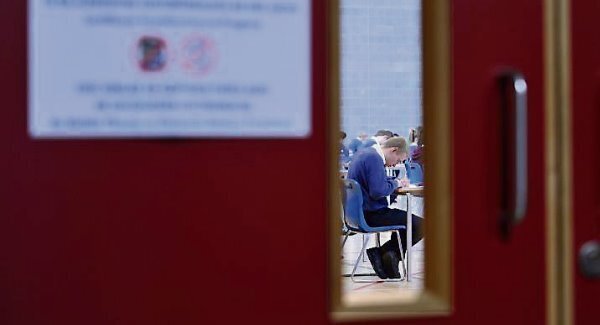
Students who are unhappy with a grade in any subject have the usual right to appeal and have the marking re-checked.
However, the State Examinations Commission advises students to avail first of the chance to see their exam script and check if it is worthwhile doing so, by identifying any errors calculating final marks or cases where the marking scheme was not used correctly.
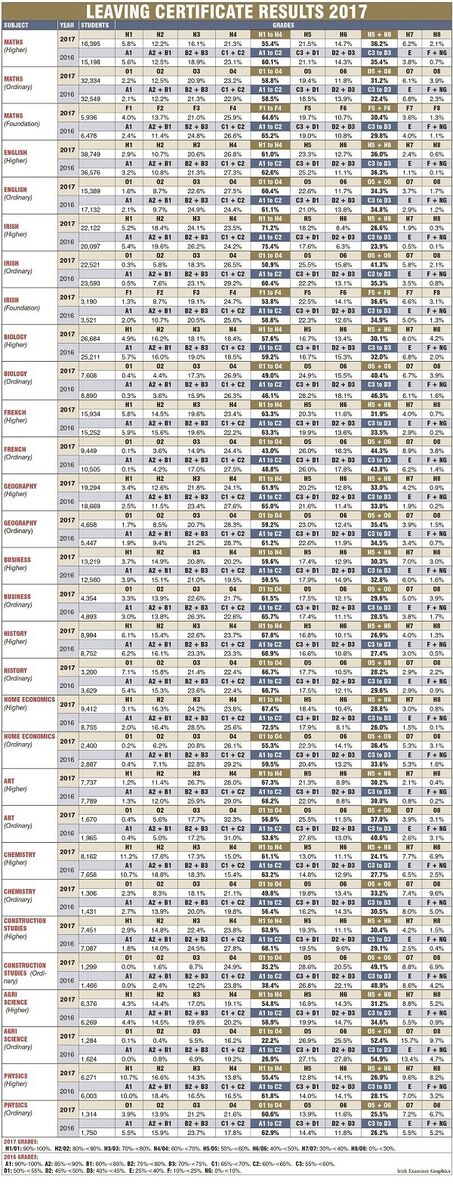
With the gap between grades now widened from 5% to 10%, however, there is likely to be a reduction in appeals this year as fewer students’ marks will be close to the next grade boundary.
In 2016, 9,500 out of almost 400,000 individual Leaving Certificate grades awarded were the subject of an appeal and led to 1,700 results being upgraded.
Appeals must be submitted by September 6 but students who want to view their exam scripts on September 1 or 2 must apply through their schools by next Tuesday.
Meanwhile, Polish remains the most popular non-curricular EU language studied for this year’s Leaving Certificate but the numbers taking it fell slightly from 717 to 693.
There were 213 students for Leaving Certificate Lithuanian, up slightly on last year’s 202.
Growth in numbers taking Romanian continues, with this year’s entry level up to 193 from 167 last year and 138 in 2015.
Other popular non-curricular languages are Portuguese (84 students), Latvian (75), Hungarian (53) and Croatian, which saw number rise from 22 to 36 since last year.
Japanese was taken by 296 students, down slightly from last year when 326 did so, but very similar to the 2015 figure.
A surge in interest in Japanese popular culture due to interest in animation has been a factor in the subject’s popularity, but some students may be picking it over other languages to meet the matriculation requirement for some colleges.
Many self-taught students have been taking it without appreciating the Japanese literacy requirement, the chief examiner reported earlier this year.
Although there were fewer O8 grades (1.7% of ordinary level candidates) compared to the 8.6% of ordinary level students getting an F or NG last year, 3.8% of the 236 higher level students got a H8 (0% to 30%) compared to just 0.8% getting an F or NG at higher level in 2016.
CONNECT WITH US TODAY



Be the first to know the latest news and updates