DNA experts join bid to tackle coypus in Cork
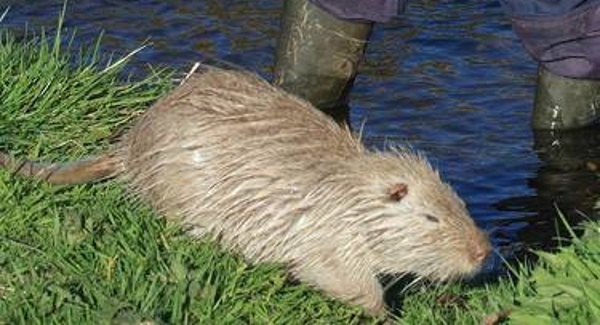
Danny O’Keeffe, conservation ranger with the National Parks and Wildlife Service, said the operation was still at phase one — mapping the extent of the area where the animals live.
“Based on reported sightings, we’ve worked out what we believe is the range of the animal but there’s a lot of surveillance work to be carried out to identify where they’re most likely to be,” he said. “There’s cameras to be set up and then there’s baiting and trapping.
“You can cover about 6km of river in a day but then if you set up bait and traps, they have to be checked daily. It’s slow work and there’s a lot of manpower and resources involved. It’ll be on my work planner for at least the next two years — and that’s if we don’t get more sightings further out.”
University College Cork’s Environmental Sciences school has been drafted in to assist with riverbank surveillance and with carrying out DNA analysis on specimens caught so far.
“That will tell us whether we’re looking at one family and so hopefully, one source, for the animals, or whether there are multiple sources involved,” Mr O’Keeffe said.
Coypus are South American rodents, resembling metre-long rats, which live by rivers and have voracious appetites for wild vegetation, crops — particularly root vegetables — and birds eggs. Their vigorous burrowing destroys roots, collapses river banks, and removes vegetation that is essential cover for birds.