Ghost estates special report: Taskforce helps cut Cork numbers
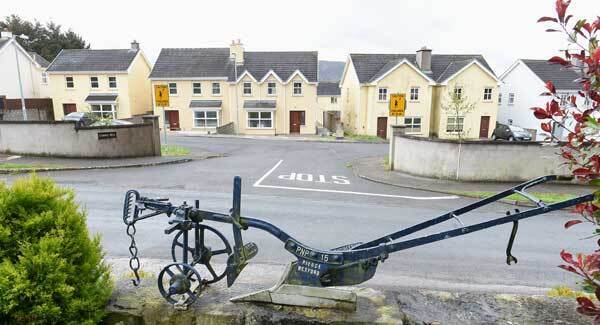
A special taskforce has helped slash the number of ghost estates in County Cork from a record national high of 280 seven years ago to just 56.

Ghost estates special report: Taskforce helps cut Cork numbers

But Cork Council Council said it still has some €5.8m of bond claims linked to dozens of unfinished estates awaiting settlement by bond providers and it is now taking legal action to resolve a handful of the most difficult cases.

“The aim clearly is to resolve all 56 of the remaining unfinished estates,” a council spokesman said.

“At present, of these 56 estates, 44 are progressing towards the resolution of their issues as a result of the efforts of the county council and other stakeholders.

“In the remaining 11 cases, the county council are taking steps, including legal action, to secure a commitment to appropriate action by the relevant stakeholders in the future.”

The first Department of Environment nationwide survey of unfinished estates in 2010 showed County Cork had 280 ghost estates — the highest number of unfinished estates in the country.

The spokesman said the county often records the highest number in many national surveys because it is the largest county in Ireland in terms of both land area and population.

The council established a special ‘Unfinished Estates’ taskforce to work county-wide to address the issue, which posed complex problems in almost each case, with specific legal challenges and difficulties linked to site ownership, banks and receivers.

The local authority does not have any special statutory powers to impose a solution on particular estates or their developers.

Despite the challenges, figures released by the council this weekend show that since 2010, the team has played a role in delivering successful site resolution plans for 224 of the problem estates.

“The team works with the various stakeholders,” the spokesman said.

“Very often, the most effective route to resolving issues in relation to unfinished states involves negotiation with the various stakeholders involved.

“The problematic areas of the estates are very often private property where, even if a source of funds is identified, the county council often has no legal authority to carry out the remedial works on its own initiative.

“The aim is to develop a ’site resolution plan’ which, if agreed by the relevant stakeholders, can be implemented when funds are available.”

He said in most cases, the county council doesn’t carry out the demolition or refurbishment works.

“These works are usually carried out by a developer, either the original developer or a new developer, if the estate is sold,” he said.

Since 2012, the council has received over €3m in payments following claims made on all housing estate bonds. But it is still awaiting settlement of bond claims on unfinished estates of around €5.8m.

More in this section

Lunchtime News

Newsletter

Keep up with stories of the day with our lunchtime news wrap and important breaking news alerts.

Cookie Policy Privacy Policy Brand Safety FAQ Help Contact Us Terms and Conditions

© Examiner Echo Group Limited