Garda Crisis: Action promised if ‘deliberate falsification’ of breath tests is found
The Garda chief said she was not in a position to reach that conclusion yet, but that the fact-finding probe would be completed within three months.
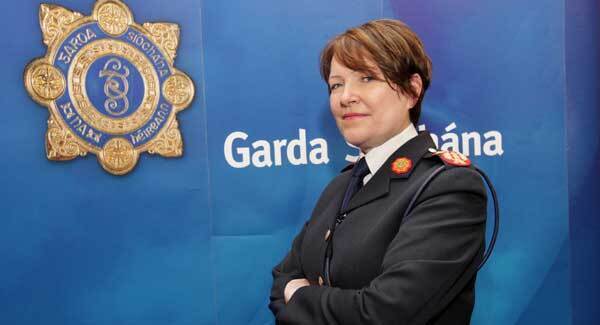
At a lengthy press briefing, Ms O’Sullivan indicated she would be staying on even if the Dáil passed a motion of no confidence in her next week.
She was responding to demands from Fianna Fáil for a detailed explanation of the two scandals that were revealed by senior gardaí last Thursday.
In the first, it emerged that almost half of the 2m breath tests recorded by gardaí between 2011 and 2016 never actually happened.
In the second, gardaí said they had identified 14,700 cases in which people had been wrongfully convicted of road traffic offences without being first being notified and given an opportunity to pay.
Ms O’Sullivan yesterday said the scale of the scandal was “totally unacceptable and hugely disappointing”.
She said there was “understandable disquiet” following last week’s revelations and that she decided to provide more information.
She said they had identified the scale of the breath-test problem, which she admitted was “countrywide”.
She said she had appointed newly promoted assistant commissioner Michael O’Sullivan to conduct a fact-finding investigation into “who did what and how did it happen”.
She said: “What I can assure the public is if we identify any individual or any group or individuals or any place where any issues need to be addressed, they will be addressed.”
The commissioner said that does not just mean “pointing the finger to the guard on the ground”, but rather that there would also be supervisory and managerial responsibility.
Questioned on whether gardaí were simply making up the breath tests and essentially engaged in fraud, she declined to answer, but said the investigation would get to the bottom of these “serious issues”.
“If we identify any case of deliberate distortion of facts, deliberate falsification of records, or anything like that, the appropriate action will be taken,” she said.
“At this point in time we haven’t established that.”
Pressed again as to how and why these mass phantom breath tests were recorded across the country, Ms O’Sullivan said there were some “potentially very serious ethical issues”.
She added: “The integrity of each individual member of An Garda Síochána is on the line.”
Ms O’Sullivan rejected any suggestion the internal investigation was a way “to kick the can down the road” and that she wants to get the answers as quickly as possible.
She said there would be a report completed by Mr O’Sullivan, the assistant commissioner, for the Policing Authority and the Department of Justice within three months.
Ms O’Sullivan was repeatedly pressed as to her position and if she would step down if the Dáil passes a motion of no confidence in her next week.
The commissioner repeatedly failed to answer the questions directly and said she was committed to transforming the organisation into a modern, 21st-century police force.
“I have a journey of work that I have to do,” she said. “I have to make sure I see out that commitment.”
She accepted accountability goes right up to the top.
“Ethical behaviour and accountability goes all the way from the top to the bottom and the bottom back up to the top,” she said.
She said one of the things that needs to be identified in the internal investigation is “why was this not challenged or identified beforehand”.
Ms O’Sullivan said that what is required in times of crisis is “strong, visible leadership”.
Asked about her position again, Ms O’Sullivan said: “I have to keep my focus on what it is I do.”