Minimum pricing key to tackling drink crisis
The president of the Royal College of Physicians (RCPI) has said minimum unit pricing on alcohol is the single most important step in easing the “urgent crisis” in Ireland caused by excessive drinking.
Prof Frank Murray made the comments during a presentation this week at an all-island conference on alcohol.
The RCPI president, who is also a gastroenterologist and hepatologist at the Beaumont Hospital in Dublin, said he did not want prohibition of alcohol but believed the voices of those damaged or killed by alcohol were rarely heard and admitted that he was “disturbed by the huge burden of excessive alcohol consumption in Ireland”.
He told those at the RCPI-related event that there were differences between the advertised experiences of alcohol and the reality, and that excessive consumption had the ability to cause medical, psychological and social harm.
Prof Murray said alcohol was “no ordinary commodity” and that it increased the risk of developing more than 60 diseases and medical conditions, even at low levels of consumption.
He referred to tripling in mortality due to cirrhosis in Ireland in the years up to 2012 and said medical and other issues meant that as many as three deaths a day in this country were linked to alcohol, from accidents to cancer. He said there were 238 alcohol-related deaths in the North in 2014 alone.
Figures from the OECD put Ireland seventh internationally when it comes to alcohol consumption and Prof Murray charted how Italy’s level of consumption had fallen over the space of two decades as a result of policy initiatives and taxes such as excise duty and Vat.
He claimed that deaths from chronic liver disease and cirrhosis in Italy over the same period had fallen.
Prof Murray argued that in this country alcohol had become more affordable over time and also referred back to 2006 when he said a 10% increase in minimum prices was associated with a 32% fall in wholly alcohol-caused deaths.
Citing 2013 figures, he said most people in Ireland drank alcohol as part of a binge, particularly young adults, of whom 65% of 18 to 24-year-olds said they consumed more than six standard drinks on a typical occasion, with most people underestimating their personal alcohol intake.
He said the majority of people in Ireland who use alcohol drink dangerously and there were worrying trends among 13 to 17-year-olds.
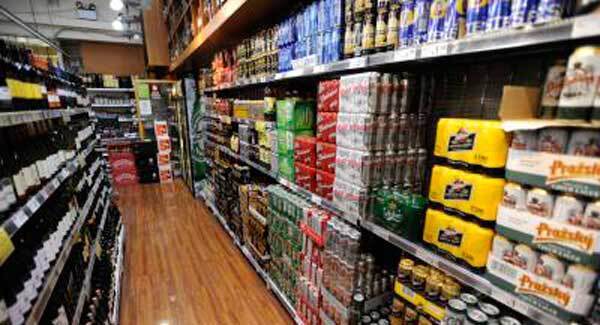
One main concern raised was the issue of cheap alcohol, including high potency cider.
Referring to the burden on the health services he claimed 1,500 hospital beds per day were occupied by people with an alcohol-related injury and that this was “unsustainable”.
He argued that the most effective strategies to reduce alcohol consumption were price, availability, advertising, marketing and promotion and that the Public Health (Alcohol) Bill, currently before the Oireachtas, for the first time categorised alcohol consumption as a health issue.
He claimed the highest priority issue was minimum unit pricing and added: “The personal, family, societal, health-services and financial costs are unsustainable. The epidemic must stop here.”