Minister Michael Creed announces €150m Brexit agri-loan scheme
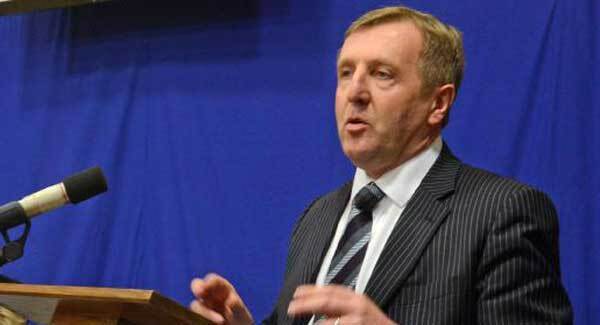
The special low-cost loan scheme will allow food producers to potentially borrow up to €150,000 over six years.
It comes after a recent Bord Bia report found €590m was wiped off the cost of Irish food and drink exports to Britain last year with the fall in the value of sterling after the Brexit vote.

An Oireachtas committee also heard this month that fresh tariffs of up to 50% could apply to Irish goods going into Britain if and when it leaves the single market and EU customs union.
The special loan fund will be made available through AIB, Bank of Ireland and Ulster Bank. The scheme, developed in co-operation with the Strategic Banking Corporation of Ireland, will make the money available at low-cost interest rates of 2.95%.
Farmers will also be able to draw funds down under interest-only payments for up to three years. Food producers will be able to use the money for working capital needs such as equipment or farmland developments, as an alternative to short-term and possibly more costly credit facilities.
The roll out of the emergency loan fund was originally agreed in the budget last October. But its introduction now comes as exports fall from fluctuations in currencies.
A source close to the minister said he was very aware of the damage being felt by farmers exporting, especially in the context of losses from the fluctuation in sterling.
“The minister has been aggressively stressing the point that for other sectors Brexit is a future event but for agri-food it is here and now,” said the source.
The president of the Irish Farmers’ Association, Joe Healy, said that new tariffs potentially under the World Trade Organisation would render Irish produce “uncompetitive”.
Huge amounts of food was exported into Britain, explained Mr Healy, including 40% of Irish beef, 90% of mushrooms grown here, and 60% of cheddar cheese produced.
“We want the least possible disturbance to the market because of Brexit,” the IFA president said.
But the reality is new trade rules when it comes to produce going to and from Britain may not be known for a number of years. EU Agriculture Commissioner Phil Hogan said on Friday that talks on a new trade deal would not begin until Britain has formally left the EU.