Article 50 may have already been 'accidently' triggered by British PM
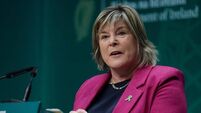
Attorney General Máire Whelan was notified yesterday by British barrister Jolyon Maugham, the lawyer behind the case, that legal proceedings will begin in Dublin on or before January 27 to determine whether Britain’s exit from the EU can be reversed.
Mr Maugham is suing Ireland as one of 27 EU states allegedly in breach of EU treaties by excluding the UK from EU summit meetings.
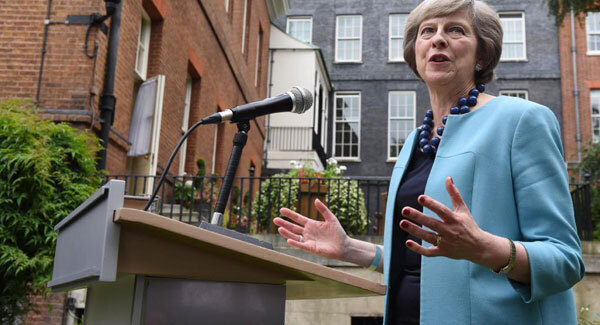
According to the claim, the prime minister may have already started the formal Brexit process when she informed the European Council last October of her government’s intention to implement the referendum, voted for on June 23.
Article 50 says nothing about the form of notification required, merely stating that “a member state which decides to withdraw shall notify the European Council of its intention”.
The proceedings being instigated by Mr Maugham want the High Court to ask the European Court of Justice if Article 50 of the Lisbon Treaty can be revoked by the British government once it has been triggered, without needing the consent of all other EU member states.
“The reality is nobody knows what Brexit means,” said Mr Maugham yesterday.
“It is that point that lends this case its legitimacy. We voted without understanding the implications. We will have that understanding once a deal has been struck. In that event there can, and should be, another vote.”
According to the claim, if Article 50 has already been triggered, then the European Commission is in breach of its Treaty duties through wrongly refusing to commence negotiations with the UK.
But if it has not, the European Council and all other EU states, including Ireland, are in breach of their Treaty duties by wrongly excluding the UK from council meetings.
“The case is being brought in Ireland because the Irish Government has, we say, colluded in a breach of the EU Treaties by wrongly excluding the UK from meetings of the EU Council,” said Mr Maugham.
“We can only make that claim in the courts of Ireland. The Irish Government could try to block a reference to the Court of Justice but I hope it doesn’t.”
The High Court will also be asked to assist in determining whether an exit from the EU will also mean the UK leaves the European Economic Area, which combines the EU with Iceland, Liechtenstein, and Norway into the Single Market.
“Ireland also has a major stake in whether the UK remains in the EU or European Economic Area. We came into the Single Market together. If we leave it alone there will be enormous economic and social disruption to both Ireland and Northern Ireland.”
Meanwhile, Britain’s Supreme Court is expected to rule in the next couple of weeks on whether Ms May can trigger Article 50 without parliament’s approval or the assent of devolved assemblies in Northern Ireland and Scotland.
London’s High Court is due to hear a challenge next week on whether leaving the EU means Britain automatically leaves the European Economic Area which allows access to the Single Market and free movement of goods, capital, services, and people.