Damage by supertrawlers explored in 'Atlantic' film
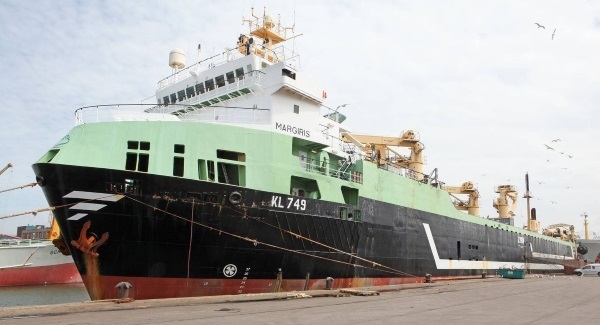
Imagine fishing vessel No 8301187, otherwise known as the MFV Margiris, a supertrawler registered in Lithuania, banned in Australia, but currently fishing off the coast of Scotland and no stranger to Irish waters.
The second largest supertrawler in the world can process more than 250 tonnes of fish a day and conservationists and fishermen say huge damage is being done to our fish stocks and sealife, including dolphins.

That issue and more is explored by Tipperary filmmaker Risteard Ó Domhnaill in his film Atlantic, which will be shown on RTÉ 1 television this Thursday. Narrated by actor Brendan Gleeson, Atlantic follows the fortunes of three small fishing communities — in Ireland, Norway, and Newfoundland — as they struggle to maintain their way of life in the face of economic and ecological challenges.
As the oil majors drive deeper into their fragile seas, and the world’s largest fishing companies push fish stocks to the brink, coastal communities and the resources they rely on are fast approaching a point of no return.
This has huge implications for Irish fishing communities and the national exchequer. It is even more relevant in the light of Brexit and the UK leaving the Common Fisheries Area and with Providence Resources planning a large Irish drilling programme next year.
“My last documentary, The Pipe, told the story of a small coastal community in Mayo as they faced down one of the world’s most powerful oil companies, which was forcing a high-pressure raw gas pipeline through their farms and fishing grounds,” says Ó Domhnaill.

“What has since unfolded is an incredible story of resource mismanagement, and the capture of our offshore riches — oil, gas, and fishing — whilst our gaze is elsewhere. Unfortunately, what I found when I looked across the Atlantic is that Ireland’s tale is not unique.
“However, in both Norway and Newfoundland, the lessons learned by similarly affected communities can help us to chart a different course, before our most renewable resources are damaged beyond recognition, or sold to the highest bidders,” he says.