Getting elderly people to practise dance moves can improve mobility, balance and quality of life
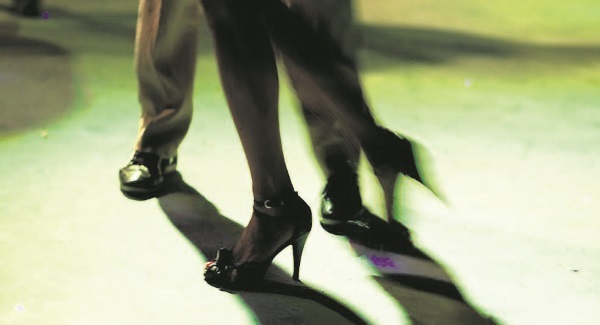
No one’s roaring “Shake what your mother gave ya” à la the popular Specsavers advert, but a study has found that getting elderly people to practise their dances moves can improve mobility, balance and quality of life.
Getting elderly people to practise dance moves can improve mobility, balance and quality of life

Research by physiotherapists at Our Lady’s Hospice in Harold’s Cross, Dublin, also found that doing the Macarena, line dancing, Irish dancing and set dancing, had helped reduce the number of falls among those taking part in the dance class.

And the benefits don’t end there — there was a huge satisfaction rating among participants whose average age was 81 years, and who hark back to an era when dancing, not pounding the treadmill, was a popular form of exercise.

The study of 103 people, including 24 men and 79 women ranging in age from 63 to 92, was undertaken by chartered physios Edel McDaid and Emily Adamson who developed the dance class, inspired by emerging evidence of the benefits of dance.

For instance, they point out that the Tango has been shown to improve balance, gait (walking) speed and dexterity in individuals with Parkinson’s disease while research has also shown that set-dancing classes lead to greater improvements in mobility, balance and quality of life compared to standard physiotherapy exercises in people with Parkinson’s.

The Harold’s Cross dance class, held each Wednesday, is for patients from the local community who come in for two to four weeks of active rehabilitation. It’s a clinical-based class delivered in the community reablement unit as part of the physiotherapy intervention offered within the hospice.

Those who attend suffer from a variety of illnesses including neurological and cardiovascular disease, and often have a falls history or poor bone health.

Ms McDaid said their goal was to “help our patients continue to live independently while improving their mobility and increasing their personal safety”.

Comments by participants recorded in the satisfaction questionnaire included “So enjoyable you forget you’re exercising”; “Really helps the coordination”; “You move easier to the beat of the music”; and “Sense of togetherness”; “Great comradery”; “It lifts spirits”.

The study’s authors said it proved that a physiotherapist-led dance intervention was feasible in an older adult rehabilitation unit. “It also demonstrated that dance alongside standard multidisciplinary team input led to statistically significant improvements in mobility and balance,” they said.

Almost a year and a half later, the dance class continues to be a key part of the physiotherapy programme and the physios are hoping to complete further research on the dance class.

The results of the study will be presented at the Irish Society of Chartered Physiotherapists annual conference in Wexford tomorrow and Saturday.

More details on the CRU available in www.olh.ie

x

More in this section

Lunchtime News

Newsletter

Keep up with stories of the day with our lunchtime news wrap and important breaking news alerts.

Cookie Policy Privacy Policy Brand Safety FAQ Help Contact Us Terms and Conditions

© Examiner Echo Group Limited