Sepsis treatment breakthrough could save thousands
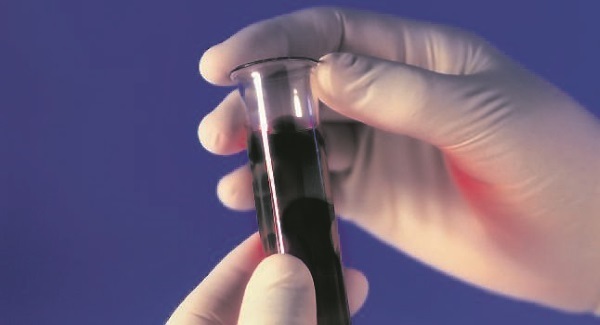
Researchers at the Royal College of Surgeons in Ireland discovered a drug that prevents the deadly disease from spreading throughout the body.
Up to 60% of all hospital deaths in Ireland in 2013 had a sepsis or infection diagnosis. There were 9,000 diagnosed cases of sepsis and the mortality rate at the time had been 28.8% â almost 3,000 deaths.
Sepsis, also known as blood poisoning or septicaemia, is a condition triggered by an infection or injury. If not treated quickly, it can lead to multiple organ failure.
The drug works by preventing bacteria that may get into the bloodstream from sticking to the inner-most side of a blood vessel.
Sepsis usually occurs when the bacteria interferes with blood vessels so they die and pull apart. Multiple organ failure occurs rapidly due to a lack of blood supply.
The Science Foundation of Ireland-funded research is published in the current edition of Journal of Thrombosis and Haemostasis and is a collaboration between the RCSI, Dublin City University and the Univesity of Leuven, Belgium.

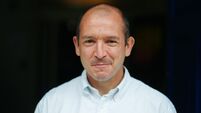
Lead researcher and senior lecturer in pharmacology at RCSI, Steve Kerrigan, said it was a new approach to combating sepsis.
âCurrently, there are no approved specific treatments for the underlying pathophysiology of sepsis which means the disease management plan focuses on reducing the infection through the use of aggressive intravenous antibiotics,â said Dr Kerrigan.
âWhat makes sepsis such a dangerous healthcare issue is that it arises unpredictably and can progress and spread quickly.
âOne of the main challenges with sepsis is that early signs are often non-specific and develops rapidly from what looks like a mild infection to a life-threatening situation.
âWhat we are trying to do is to stop the body from swelling so the organs wonât fail and we will then have a better chance of targeting the bacteria.â
A patent has been filed on the drug and Dr Kerrigan has begun seeking a large pharmaceutical company to begin human clinical trials.
Dr Kerrigan, who has been involved in the sepsis research for the past five years, believes all going well, the drug could be available within the next five to ten years.
World Sepsis Day takes place today and the new drug is the first in many years that shows promise in battling the disease.
Dr Kerrigan said sepsis was also the most expensive condition to treat in hospitals. The cost to the Exchequer for solely treating sepsis was about âŹ220m a year.
âGlobally, this is a massive problem and it is getting worse, not better, because our antibiotics are beginning to fail,â he said.