Michael Noonan: We have contingency plans if UK leaves EU
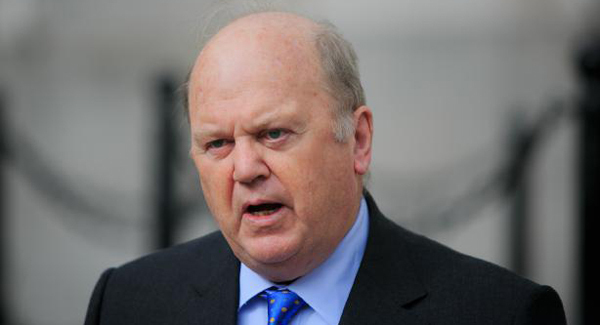
That was the message from Finance Minister Michael Noonan last night as pollsters said the outcome was too tight to call, with preliminary details emerging from the vote.
Government ministers here were hopeful the Remain campaign had won and were encouraged after sterling rose to a record level for 2016.
Britain will wake up today and finally know, after a long and bitter campaign, whether the country will start the slow march to exit the union. Turnout yesterday evening was high in places, which could be an indication that the Remain supporters were turning out to vote.
Mr Noonan said: “Ireland will have a clear plan in place to deal with the implications, including the economic implications, of a UK vote to leave, if that is the outcome.”
The priority would be to “protect and promote Ireland’s interests to the greatest extent possible,” he told Fianna Fáil finance spokesman Michael McGrath.
Mr McGrath had queried how, if there is a vote to leave, trade barriers or tariffs might operate between Ireland and Britain as well as how free movement between the countries might change.
Mr Noonan said the immediate effect would be “on the movements of money in the markets”; the governor of the Central Bank had assured him that contingency plans were in place for this.
Outlining the two-year buffer period if there is a withdrawal, Mr Noonan said this would be when any potential trade barriers or border posts would be decided upon.
Mr Noonan and Mr McGrath agreed there would be “very significant consequences” for Ireland if Britain votes to exit the EU.
Meanwhile, Justice Minister Frances Fitzgerald said the Government will be ready to respond immediately today no matter which vote wins out.
“We are ready to respond either way. I do note that sterling has gone up in value which is an interesting marker already today,” she said.
More than 46m people were eligible to vote in the referendum, including 1.2m in the North. Two of the biggest concerns with an exit would be over whether border posts would be reinstated with the North as well as the fact that Irish exports could be hit immediately if the pound is devalued.
CONNECT WITH US TODAY



Be the first to know the latest news and updates