Report: Salt and ‘quality’ fats stop heart disease
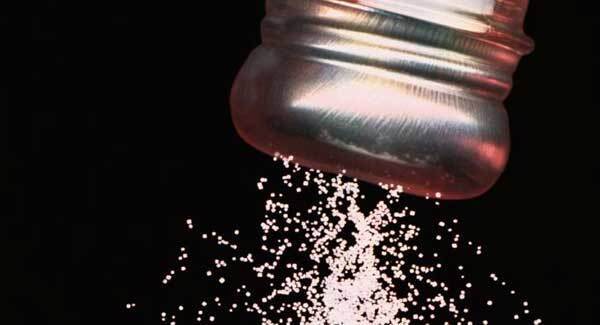
Salt and fat are essential to good health, according to the authors of two separate reports.

Report: Salt and ‘quality’ fats stop heart disease

An Irish academic is the co-author of a global study that found low-salt diets may not be beneficial and may increase the risk of cardiovascular disease.

A report from the National Obesity Forum and the Public Health Collaboration in Britain wants people to eat full-fat foods to lower their chance of obesity.

Focus on low-fat diets is failing to address Britain’s obesity crisis, they say, while snacking between meals is making people fat.

They want people to return to whole foods such as meat, fish, and dairy as well as high-fat healthy foods, including avocados.

The report argues saturated fats do not cause heart disease, while full-fat dairy, including milk, yoghurt, and cheese, can protect the heart.

A diet low in refined carbohydrates but high in quality fats was “an effective and safe approach for preventing weight gain and aiding weight loss” and cuts the risk of heart disease.

The global salt study involving 49 countries found that sodium was essential to a person’s diet, and salt reduction matters most in people with high blood pressure who consume a lot of it.

The study, published in The Lancet, found that low sodium intake was related to more heart attacks, strokes, and deaths compared to an average consumption.

The study, involving more than 130,000 people, was led by the Population Health Research Institute of McMaster University and Hamilton Health Sciences.

Co-author of the report and stroke expert at NUI Galway, Martin O’Donnell, said the study questioned the appropriateness of current guidelines that recommend low salt intake in the entire population.

“Our findings highlight the need for a definitive clinical trial that determines the safety and effectiveness of sustained low sodium intake on the incidence of heart attacks and stroke,” he said.

“Until definitive trials are completed, an approach that recommends salt in moderation, particularly focused on those with hypertension, appears more in-line with current evidence.”

Only about 10% of the population in the study had both hypertension and high sodium consumption — greater than 6g per day.

Previous studies have shown that low-sodium, compared to average sodium intake, is related to increased cardiovascular risk and mortality, even though low sodium intake is related to lower blood pressure.

The study shows that the risks associated with low-sodium intake — less than 3g per day were consistent regardless of a patient’s hypertension status.

The report on eating full-fat foods argued the science of food has been “corrupted” by commercial influences.

Just as tobacco companies bought the “loyalty of scientists” when a link was made between smoking and lung cancer, the power of the food industry represented another “significant threat to public health”.

However, Naveed Sattar of the University of Glasgow said the report’s “main headline — simply to eat more fat — is highly contentious and could have adverse public health consequences”.

More in this section

Lunchtime News

Newsletter

Keep up with stories of the day with our lunchtime news wrap and important breaking news alerts.

Cookie Policy Privacy Policy Brand Safety FAQ Help Contact Us Terms and Conditions

© Examiner Echo Group Limited