Universal health insurance scheme scrapped for being too costly
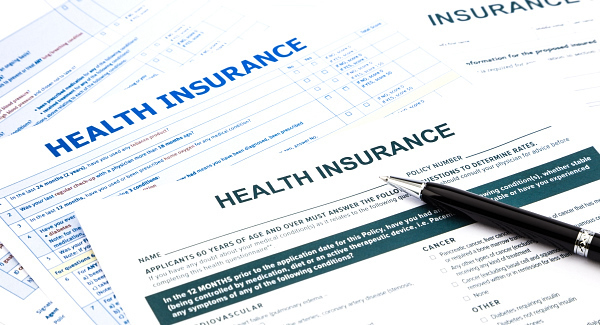
In a briefing document prepared for Mr Harris, Department of Health officials have warned that universal health insurance “is likely to increase the health expenditure” and these costs are “not acceptable”.
It is understood that Mr Harris is in favour of putting all major decisions “on pause” but agrees with the model of universal healthcare advocated by former minister Leo Varadkar.
Mr Harris is also eager to set up a cross-party committee before any major politically driven proposals are implemented, especially around the area of universal insurance and universal healthcare options.
This committee, which is expected to be established next week, will look to develop a consensus model of healthcare that would be implemented over the next 10 years.
However, any possibility of implementing universal health insurance, which aimed to end our two-tier health system and which was championed by James Reilly, seems impossible considering the scathing analysis of the Department of Health officials.
The plan for universal health insurance was first pushed by Fine Gael ahead of the 2007 election and formed part of Enda Kenny’s five-point plan in 2011. However, it was essentially put on ice by Mr Varadkar despite it being the “preferred option”.
The briefing document states: “The Programme for Government 2011–2016 commits to a major programme of health reform, the aim of which is to deliver universal health insurance, with access to quality based on need and not ability to pay.”
The department states that 137 submissions were received on the White Paper on universal health insurance, first published in April 2014, and “a key issue raised was that of cost”.
“Overall there was a substantial level of support for reform of the health service to bring about a single-tier health system with equity to access. Having reviewed the results from the costing project, it was calculated that the high costs associated with the White Paper model of universal health insurance were not acceptable and there was a need for further research of cost modelling,” it said.
Among the other issues contained in the document which Mr Harris will be pushing for is the need for major overhauls to GP contracts which have remained unchanged for more than four decades.
It is expected the health minister will tackle this as one of his priorities. The briefing notes also detail primary care services, the new children’s hospital, mental health, as well as the mother and baby homes inquiry.
In the area of cancer care the report stated in Dublin “additional capacity is required to meet increased demand” for radiotherapy treatment. While the shortage of radiographers “may pose a challenge” to the promised extension of the BreastCheck services.
The department document also warns of impending High Court action which could result in the payout of around €250m to hundreds of consultants.
The issue stems from an Employment Appeals Tribunal decision which found in favour of two consultants who claimed the HSE unlawfully withheld pay increases due to them since 2009.
“The HSE has received nearly 400 claims from solicitors representing consultants over the past six months and such claims could be the subject of High Court hearing in the period ahead,” the briefing document states.
Mr Harris has also been advised of further legal challenges to the introduction of plain packaging of cigarettes.
CONNECT WITH US TODAY



Be the first to know the latest news and updates