O’Higgins report: Disciplinary proceedings against gardaí implicated ‘would not be helpful’
Mr Justice Kevin O’Higgins said he hoped that with the closing of his inquiry, gardaí in Bailieboro could “put the unhappy events... behind them”.
These events included a litany of flawed investigations and prosecutions and poor treatment of victims, which the judge said were mainly due to “failures” of probationary gardaí and their supervisors.
The most controversial involved Jerry McGrath, who murdered Sylvia Roche Kelly in December 2007 while on bail for a “savage assault” on Mary Lynch and, separately, an attempt to abduct a child.
Mr O’Higgins said gardaí in the area had worked “under the shadow of those events for a long time”.
He said: “It is hoped that the closing of this inquiry will enable the gardaí in the area to put the unhappy events, the subject matter of this inquiry, behind them, learning lessons where appropriate.
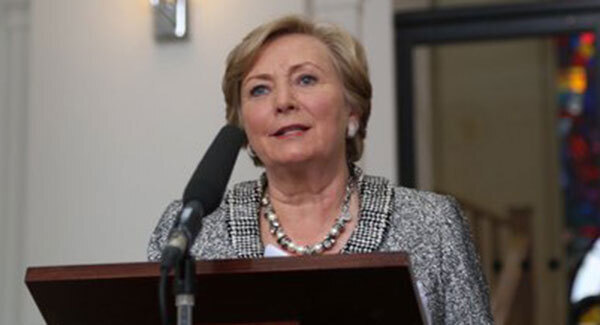
Tánaiste @FitzgeraldFrncs speaks to the media about the O'Higgins report: pic.twitter.com/5pZhk6aKHb
— Government of Ireland (@GovIE) May 11, 2016
“Bearing the foregoing in mind, and in the very particular circumstances pertaining, the commission considers the institution of any disciplinary proceedings, which might conceivably arise out of its findings, would not be helpful.”
Ms Lynch told RTÉ she was unhappy no one was being made accountable. “My case was treated very badly and that shows up on this report and that I’m glad about. What I’m not glad about is that nobody is being held responsible.”
Lorcan Roche Kelly, Sylvia’s husband, has said he was disappointed with the commission and had “no faith” in the gardaí.

The Garda Representative Association said probationary gardaí had been left “hung out to dry”.
“Young probationary gardaí, some of them in their first months of service, were sent out to do investigations they weren’t capable of dealing with,” said James Morrisroe, GRA executive member from Cavan/Monaghan.
“The only people to face disciplinary sanction were probationary gardaí. No one else of any rank has faced [it].”
The O’Higgins report said it would be “unfair” to regard criticisms of individual gardaí as applicable to their work in general.
The Policing Authority yesterday said it will study the report before “deciding on its next steps”, adding that it expected the matters will be “discussed further” with the commissioner.
The Garda Síochána said it accepted the report’s findings and recommendations and noted it had found the failures were “at a human level”.
The report was published yesterday by Justice Minister Frances Fitzgerald, two weeks after it was submitted and in the wake of media leaks. The minister rejected claims the Government was trying to bury the report.
She said she was “sad and disheartened” by the experiences of victims in the cases investigated.
Taioseach Enda Kenny said it was an “absolute tragedy” for the Roche Kelly family and a “very traumatic period” for them.

The 365-page report comes two years after the Guerin scoping report, which led to justice minister Alan Shatter’s departure.
Contrary to Guerin, O’Higgins found “no fault” with Mr Shatter. Mr Kenny said Mr Shatter had “set out his reasons for his resignation”.
The report said Sgt McCabe was a dedicated and committed garda who had highlighted investigations where the public was “not well served”.

It said he “impressed the commission as being never less than truthful” but added he was “prone to exaggeration at times”.
Mr O’Higgins said some of his complaints had been “upheld”, others were “overstated”, while some were “unfounded”.
He said there was not “a scintilla of evidence” to support allegations of any corruption by Mr Callinan.
The commission said there was a “closing of ranks” in internal investigations into Sgt McCabe’s complaints.