Firefighters’ ‘camaraderie’ helps them deal with traumatic incidents

The results of the study by the Centre for Psychological Health at Trinity College Dublin, were presented to the annual Chief Fire Officers Association annual conference in Killarney.
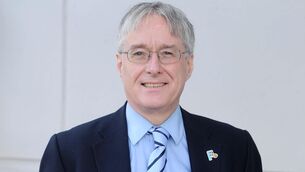
The survey authors had not anticipated how much of a dominant role “camaraderie” and the informal cup of tea, or meal out, or going for a drink and having a relaxing conversation had among the fire service, said Dave Hevey, one of the authors.
All fire authorities provide Critical Incident Stress Management (CISM) services. However, the CISM systems vary by providers across local authority fire services nationally.
The National Directorate for Fire and Emergency Management commissioned the review to establish key issues in relation to Fire Service personnel.
Some 3,000 questionnaires were sent out and close to one third responded. Interviews also took place.
Respondents included fire fighters as well as control centre staff — the people who took the phonecalls from people screaming and upset at what they were encountering — because their perspective was important, Prof Hevey said.
From the moment they joined the service, fire service personnel were trained to expect to encounter stress because of the nature of their daily work. The current “flexible” approach of informal as well as formal, immediate, and longer-term psychological supports worked very well and people were happy by and large with the CISM systems.
“What people find most helpful immediately after an event is sitting around, having a cup of tea and chatting — for the vast majority it’s their colleagues they draw on,” Prof Hevey said.
Some fire brigades, such as the Dublin Fire Brigade, have a peer support system whereby fire service personnel are available to talk to the team after an incident.
By and large, the vast majority did not need additional supports from mental health professionals, it found.
However, the surveyors had not anticipated just how dominant a role camaraderie played in the fire service in dealing with the fallout from suicides, road traffic accidents, fires, and other serious incidents.
To preserve the general health and wellbeing, as well as dealing with traumatic events, the current “flexible approach” was important.
“Given the value placed on colleagues in both the literature and the present survey and interview data, the role of colleagues should be integral,” it said.
The fire service appreciated the range of supports they had — such supports were only now being put in place for groups such as gardaí, Prof Hevey said.


CONNECT WITH US TODAY



Be the first to know the latest news and updates