‘400 years’ for local authority to inspect all septic tanks
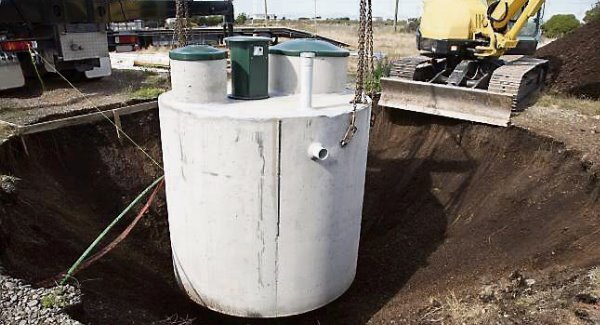
It will take a local authority more than 400 years to inspect all the septic tanks in its administration area.

‘400 years’ for local authority to inspect all septic tanks

Under its current inspection plan, Clare County Council is only required to examine 49 septic tanks yearly.

With 19,800 registered domestic waste treatment facilities in the county, it would take 404 years for a single inspection of each tank.

And with an anticipated failure rate of just under 40%, it would take closer to 600 years for all septic tanks in the county to be passed as safe if a retest was to be taken into account.

The National Inspection Plan, published by the Environmental Protection Agency, gives local authorities a minimum number of inspections to conduct each year.

According to Paul Moroney, environmental officer with Clare County Council, the local authority cannot afford to carry out more inspections than the required limit.

He said that additional government funding would be required if the number of inspections were to be increased.

“We are scheduled to complete 49 inspections in each year, 2016 and 2017, in accordance with the National Inspection Plan,” he said. “If we were required to carry out more inspections we would need more resources.

“The numbers of inspections is based on guideline in the National Inspection Plan published by the Environmental Protection Agency.

“It has been in operation since 2013 when the initiative started.

“Up to the end of 2015 we have completed 135 inspections in Clare with an average failure rate of just under 40%.

“It is a matter for the EPA and the Department of the Environment to comment on that National Inspection Plan.”

According to Mr Moroney, the inspections are targeted at high-risk locations in the county where issues caused by faulty septic tanks are likely to have the greatest impact on the environment.

A spokesperson for the Environmental Protection Agency said that the rate of septic tank inspections has “regard to the risk from domestic waste-water treatment systems” when compared to other sources of treatment.

“The National Inspection Plan outlines the number of inspections that should be undertaken by each local authority,” said the Environmental Protection Agency spokesperson.

“The allocation of an annual national minimum of 1,000 inspections for domestic waste water treatment systems represents approximately 4% of total water-related inspections that local authorities are responsible for carrying out.

“This allocation has regard to the risk from domestic waste-water treatment systems on a national scale compared to other sectors regulated by local authorities.

“Each local authority has been allocated a minimum number of inspections based on the percentage of the county in each risk category.

“Inspections are objective, evidence-based and aimed at identifying systems which are a risk to public health or the environment.”

x

More in this section

Lunchtime News

Newsletter

Keep up with stories of the day with our lunchtime news wrap and important breaking news alerts.

Cookie Policy Privacy Policy Brand Safety FAQ Help Contact Us Terms and Conditions

© Examiner Echo Group Limited