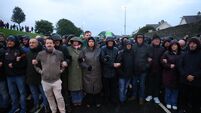
Gardaí monitor IS sympathisers
Gardaí are checking what these individuals are saying, either on social media or on their phones, and with whom they are in contact.
The effort is part of a range of strategies by the Garda security apparatus to keep an eye on what sources say are a “small number” of people of concern.
Sources said they are doing this job as best they can, with the limited resources they have and the range of demands placed on them.
Given the specialist anti-terror units are focused on the threat posed by dissident republicans around the centenary Rising commemorations, it is unclear what capacity they have to monitor known IS supporters here.
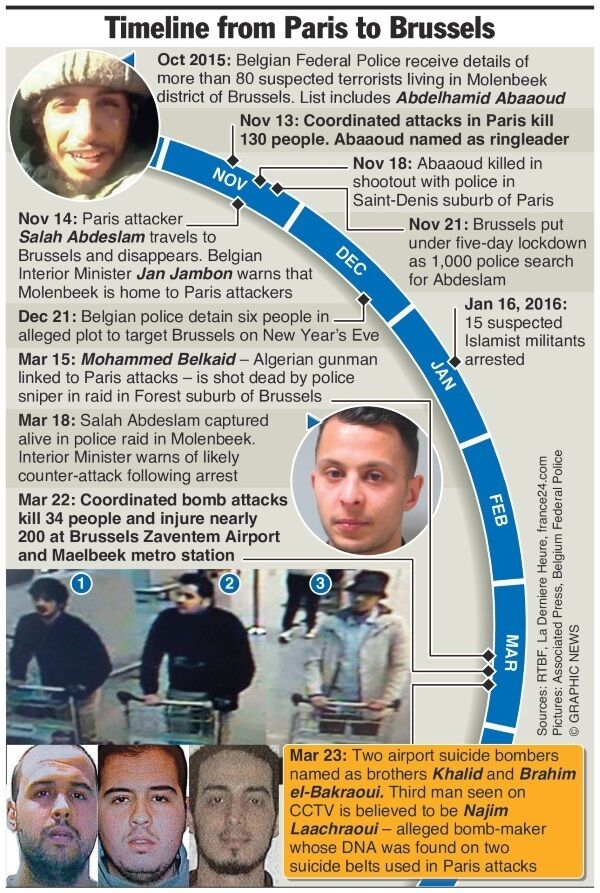
In the wake of the bombings in Brussels, a security source said gardaí would monitor suspects’ social media use, such as their Facebook pages, as well as their phones, for their reaction.
If the suspects make contact with people the gardaí do not know about, officers will make an effort to identify who they are.
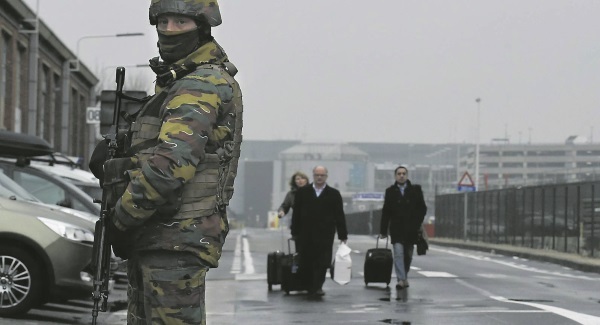
Senior gardaí are also likely to review security arrangements with high-risk embassies, including those of Belgium and France, along with the likes of Britain’s, Israel’s and the US embassy.
Following Tuesday’s meeting, senior politicians and gardaí said the threat level here remains low and that while an attack was possible it was not likely.
Justice Minister Frances Fitzgerald said Ireland was “not immune” and that terrorists like IS “hold our values and democracy itself in deadly contempt”. She added: “We have to bear in mind, too, that an attack on our European neighbours is an attack on us all.”
Last November, a Hollywood-style IS propaganda video included Ireland in a “coalition of devils”.
Analysts told the Irish Examiner that while this might suggest Ireland was a ‘legitimate target’ for IS supporters here, it did not mean there was a threat of attack.
Experts have said that the main threat comes from returned fighters from Syria and the linked issues of recruitment and radicalisation, much of it being driven online.
A number of Muslim leaders here, including Sunni imam Shaykh Umar al-Qadri, Shia imam Shaykh Ali al-Saleh and Ahmadiya Muslim Association of Ireland imam Ibrahim Noonan, have repeatedly raised concerns regarding radicalisation and, what they claim, is the reluctance or failure of the main mosques to publicly confront the problem.
On the issue of fighters, estimates have put the number of Irish people who have gone to Syria and Iraq around 30 to 40.
However, garda sources have stressed that not all of these were going to fight with radical Islamic forces such as IS. It is uncertain how many have returned to Ireland and what level of contact is made with these people by gardaí and what surveillance is placed on them.
“The biggest threat is fellas that have gone out and come back,” said one garda source.
“They have military training and experience of combat. The fear is they might set up a little cell.”
Commissioner Nóirín Ó Sullivan previously said she was concerned about lone wolfs, people here radicalised by events overseas or triggered by them into action.
Garda sources say physical surveillance on suspects is hugely labour intensive and can often show poor results.
They said physical surveillance was just ‘one building block’ and that other blocks included technical and communication surveillance, sharing of intelligence from foreign services, information from informants, information from community gardaí and, most crucially, information from within the Muslim community.

CONNECT WITH US TODAY



Be the first to know the latest news and updates