Pre-teens lie about age to use social media
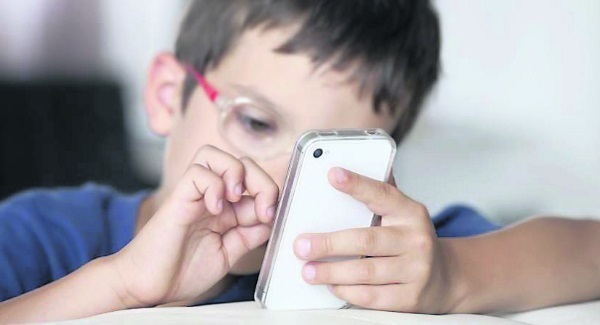
CyberSafeIreland has raised concerns that pre-teenage children are not being adequately protected when using social networking sites.
It pointed to data from the Net Children Go Mobile project (studying internet access and use, and risks and opportunities for European children online), which shows that more than half (56%) of pre-teens using social networking sites in Ireland are lying about their age.
That study found that 17% of children between nine and 12 years old have been in contact with a stranger. More than one in 10 children have received sexual messages on the internet and 20% have seen sexual images.
There was a five-fold increase in the number of nine and 10 year olds exposed to sexual images in 2014 compared to 2010.
CyberSafeIreland said its experience in schools is that children’s use of these platforms is growing rapidly and that the research likely understates the scale of the problem.
The group is rolling out a programme of education to children in fourth to sixth class. Training sessions are designed to teach children and their parents how to use the internet without engaging in risky behaviour, how to protect themselves by using privacy settings, and how to report abuse.
Sites such as Facebook, Twitter, and Instagram all require users to be over 13 years old to register, meaning many children lie about their age to set up a profile.
Cybercrime expert and co-founder of CyberSafeIreland Cliona Curley said it was clear young children were lying about their age to engage in social media.
“Research shows that 26% of pre-teens are using social networking sites and half of these admitted to lying about their age,” said Ms Curley. “From our experience talking to kids in schools, this is only the tip of the iceberg and usage of social media apps is now a daily feature of most pre-teens’ lives.
“As parents and educators, we need to be doing a lot more to prepare young children for a connected future, enabling them to engage online in a safe and responsible manner, and expert support is needed to do this in an effective way.”
Mick Moran, assistant director for vulnerable communities at Interpol and special advisor to CyberSafeIreland on online criminality, said children can be exposed to danger by playing online games.
“The reality of online exploitation is witnessed by law enforcement every day, either through cyberbullying or grooming which can end in online solicitation or physical abuse,” he said. “It is not just children who need to be informed, but parents also have an important non-technical role to play to make sure their kids are safe online.”
The theme was echoed at a Bully4u anti-bullying conference in Cork, where it was stressed that parents also need to “step up to the plate” and educate themselves about the dangers their children face being on social media at a young age.
Senior facilitator with Bully4U, Kevin Deering, who gives workshops in bullying to schools around the country, said that parents needed to be involved in their child’s online life and be aware that being on Facebook as a child is dangerous.
“If a child in primary school mentions Facebook, I just see red,” he said. “They shouldn’t be on it. I would say that to a parent: ‘Your child should not be on it’. They have started out their social media career on a lie as the lower age limit for a site like Facebook is 13.”
Earlier this week it emerged that less than 20 of irish parents supervise their child’s social media activity.
CONNECT WITH US TODAY



Be the first to know the latest news and updates