No election campaign until February says Tánaiste Joan Burton

The Labour leader refused to say if Taoiseach Enda Kenny had informed her of the exact date.
Her comments come as the parties prepare for their national conferences in the coming weeks in what are expected to be the last setpieces before the date is announced.
Ms Burton said that, following these conferences, which will finish at the end of the month, reporters should then be ready for the election campaign.
There has been speculation in Leinster House this week that Mr Kenny may announce the election earlier, due to a possible legal challenge to the banking inquiry’s final report.
Such a challenge would likely push back the report date beyond the end of this month and ultimately allow Mr Kenny to fire the starting gun sooner than expected.
A general election must be held within 30 days of the dissolution of the Dáil.
Several government sources believe the likely date for people to go to the ballot boxes is now February 26. Mr Kenny has said he has the exact date in his head. He also said he would announce the election in a “very public fashion”.
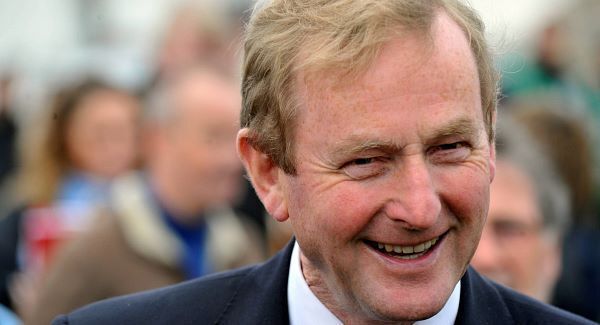
Speaking in Dublin, Ms Burton refused to say if she had spoken to Mr Kenny in recent weeks specifically about what date the election is going to be.
However, she added: “It’s no secret to say that the Taoiseach and myself have actually discussed the question of the election... we have found room around almost every occasion to have a discussion around the issue of the election.”
Ms Burton highlighted how the Fianna Fáil conference is this weekend, followed by Fine Gael’s the following weekend and Labour’s at the end of the month, saying: “If I were you, I’d be ready any time after that to anticipate that we’ll have the election as the Taoiseach has said in the early spring.”
Labour yesterday launched a charter proposing to strengthen how bullying is addressed in the workplace as well as how to stamp out bogus self-employment. Specific laws covering acts of bullying in work would be introduced, if Labour is returned to government, pledged employment minister Ged Nash.
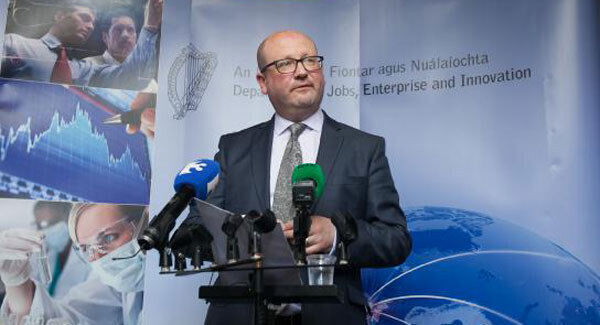
Mr Nash said casual employment arrangements, which cloak payment methods for workers, need to end. This includes where workers are declared as ‘dependent entrepreneurs’ but do not have PRSI paid for them by companies. Such a situation leaves workers without health cover, leaves the exchequer short of cash, but allows companies to make more money, he said.

CONNECT WITH US TODAY



Be the first to know the latest news and updates