Syrian refugees receive just 10% of planned State aid
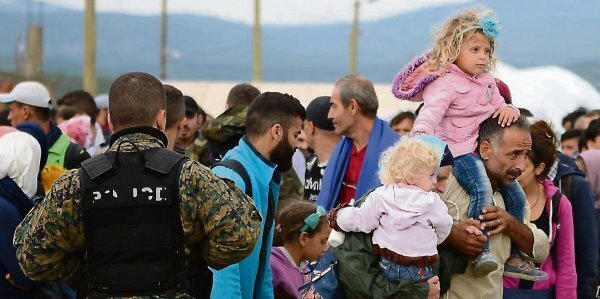
The Irish Refugee Council revealed the situation last night as Cabinet signed off on vital funding to help people fleeing the crisis in the Mediterranean for the next two years.
Under plans agreed at the height of the refugee crisis earlier this year, Syrians who arrive in Ireland will be automatically entitled to social welfare level payments of €188 a week.
However, despite being legally entitled to the support, the majority of the 129 people who have arrived in this country to date are instead being given the €19.10 a week on direct provision — a system the Coalition said they would not have to join.
The Department of Social Protection said the significant reduction is linked to the fact that Syrians who come to Ireland are given food and accommodation for three months as they adapt to their new surroundings, and that reductions in their payments are taken as a result.
However, speaking to the Irish Examiner, Irish Refugee Council chief executive Sue Conlan said the money should be repaid and given to refugees as soon as possible as this is an infringement of their legal rights.
Stressing that “Ireland’s track record on human rights abroad needs to be matched by the treatment of people in Ireland”, Ms Conlan said the position jars considerably with the “significant amount” of support the State is giving to Syrians who remain abroad.
She said “the denial of the full entitlement to social welfare for programme refugees is a fundamental breach of their rights” and that “the many Irish people that have, in words and action, made it clear that refugees are welcome in Ireland will not see this as a proper Irish response to the current crisis.”
The reduced individual payments to refugees during the first three months after their arrival came as Cabinet yesterday agreed to contribute €18m to €22m over the next two years to an EU fund to help their compatriots who remain abroad.
Ireland will make the payments as part of a larger €3bn EU package focussed solely on Syrians who are willing to stay in Turkey instead of continuing their journey to the EU.
Meanwhile, Cabinet has also agreed to provide departments facing ongoing budget difficulties with an extra €42m if required.
The money, which will be announced by Public Expenditure and Reform Minister Brendan Howlin tomorrow, is expected to include €20m for mental health services, €8m for IDA company development, and €14m in as yet undisclosed payments.
While the Departments of Health, Social Protection and Education have received significant supplementary budgets this year, new EU rules will bar the top ups from 2016.