Kerry General Hospital operating theatre’s hygiene ‘unacceptable’

Inspectors identified “immediate high-risk findings” in relation to the maintenance and infrastructure of the operating theatre complex, and also raised concerns over the oncology day unit and the management of the risk of Legionnaire’s disease at the hospital.
An inspection on July 8 determined that the cumulative findings were poor enough to require a reinspection, which was carried out the following month.
The report published by the Health Information and Quality Authority (Hiqa) also criticised the physical environment at the hospital, which treats more than 14,000 in-patients a year, as well as around 10,000 day cases and some 53,000 out- patients.
The strongest criticisms were levelled at the state of the operating theatre in the hospital.
“Overall the operating theatre complex was dilapidated, with several areas of ceilings, walls, woodwork, and floors significantly damaged, worn and non- intact to the extent that they could not be cleaned effectively, and facilitated the production and accumulation of dust,” it read.
“These findings are essentially unacceptable in any clinical area but are of particular concern in high-risk clinical areas such as operating theatres.
“The operating theatre complex originally opened in 1985 and since that time the surfaces and finishes in this area have not been proactively maintained or upgraded.
“It was reported that the lack of a planned proactive maintenance programme for interior surfaces and finishes was due to competing demands for resources.”
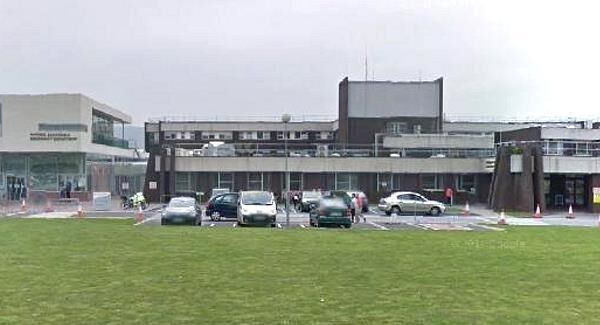
Hiqa said a number of reports had highlighted shortcomings in relation to the maintenance of the operating theatre complex and general hospital infrastructure and that an overall assessment of environmental requirements prepared by the hospital in 2014 estimated that funding of €9.3m was required for essential infrastructural works throughout the hospital.
The report stated that “the findings of this inspection indicate that long-standing infection prevention and control risks pertaining to the infrastructure and maintenance of the hospital physical environment were not proactively addressed”.
Following the July inspection a project team was established to oversee improvements in the operating theatre complex and by the follow-up inspection in August improvement works were underway.
Hiqa warned that “failure to address persistent risks in respect of poor hospital maintenance and infrastructure may indicate an acceptance or tolerance of non- compliance with fundamental standards”.
The report also found that infrastructure in the Oncology Day Unit “was not optimal from an infection prevention and control perspective”, although significant improvement had taken place by the August reinspection.
Meanwhile, a separate Hiqa inspection report on the Intensive Care Unit and St Oliver’s Ward at the Mercy Hospital in Cork found some issues regarding routine equipment cleaning, with the hospital stating it would address the concerns raised.
www.hiqa.ie

CONNECT WITH US TODAY



Be the first to know the latest news and updates