Drug helps cut diabetes risk in obese patients
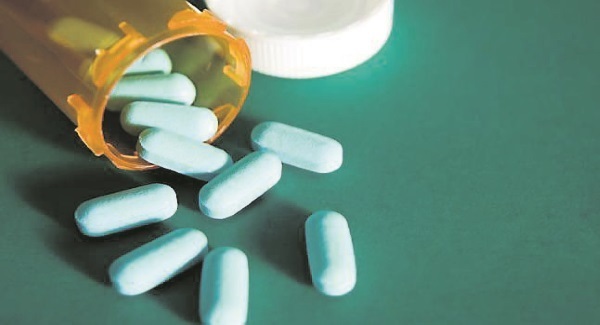
The three-year international study involving 2,254 adult patients, including 10 patients at Galway University Hospital, found that those selected to take Liraglutide, combined with diet and exercise, lost three times more body weight than those who used diet and exercise alone.
In addition, a quarter of the participants who used the drug lost in excess of 10% of their body weight, compared to just one in 10 of those who did not use the drug.
Professor Carel le Roux of University College Dublin’s Diabetes Complications Research Centre presented the findings of the SCALE Prediabetes study yesterday in Los Angeles.
While not everyone would respond to the drug, one in six patients could expect to lose two to three stone, he said. “Finding these patients and treating them would be a win-win for all,” he said.
And although using a drug to help patients lose weight and prevent diabetes “may seem drastic”, it was less so against a backdrop of Ireland currently spending €90,000 per hour on treating diabetes, said Prof le Roux, director of the Irish Society for Clinical Nutrition and Metabolism.
The study showed ongoing treatment with Liraglutide 3.0mg in combination with reduced-calorie diet and increased physical activity reduced the risk of diabetes by almost 80%, compared with those on the diet and exercise programme alone.
While the drug is widely prescribed in Ireland to treat diabetes — figures from the Primary Care Reimbursement Scheme show over 23,000 prescriptions written in 2013 under the Long Term Illness Scheme — it has not been publicly funded to treat obese patients at high risk of diabetes.
However, Dr Francis Finucane, diabetologist and bariatric physician at Galway University Hospital, who was an investigator on the SCALE study, said they have presented a case to the National Centre for Pharmacoeconomics asking for the drug to be funded at two centres in Ireland (Galway University Hospital and UCD) for obese patients at risk of diabetes.
This would involve approximately 200 patients per annum who would initially receive the drug for a three-month period. Those who responded positively — showing weight loss without ill-effects — would continue on the drug over a more prolonged period.
Dr Finucane estimated the drug would cost between €1,000 and €2,000 per patient per annum, but that as the study had shown “clearly it’s going to be really helpful for specific patients”.
It is estimated up to 60,000 adults in Ireland have prediabetes and another 30,000 are unaware they have the chronic disease.

CONNECT WITH US TODAY



Be the first to know the latest news and updates