WHO clarifies its stance on meat
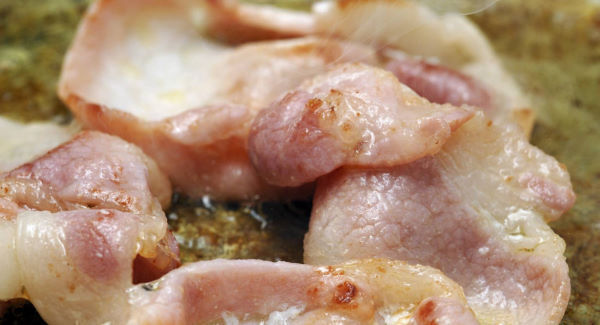
Earlier this week, the International Agency for Research on Cancer (IARC) said: “Processed meat was classified as carcinogenic to humans, based on sufficient evidence in humans that the consumption of processed meat causes colorectal cancer.”
There was a suggestion that just 50g a day of processed meat, such as bacon, sausage and ham — the equivalent of less than two slices of bacon — increased the chance of developing colorectal cancer by 18%.
The IARC group also classified the consumption of red meat as probably carcinogenic to humans “based on limited evidence that the consumption of red meat causes cancer in humans and strong mechanistic evidence supporting a carcinogenic effect”.
The report prompted an angry reaction from meat producers across the globe.
Yesterday, a spokesman for the WHO said it had received a “number of queries, expressions of concern and requests for clarification” following the publication of the report.
Defending IARC’s programme of work which, it said the review was approved and financed by its participating states.
“IARC’s review confirms the recommendation in WHO’s 2002 “Diet, nutrition and the prevention of chronic diseases” report, which advised people to moderate consumption of preserved meat to reduce the risk of cancer,” the spokesman said. “The latest IARC review does not ask people to stop eating processed meats but indicates that reducing consumption of these products can reduce the risk of colorectal cancer.”
WHO has a standing group of experts who evaluate the links between diet and disease. Early next year they will meet to look at the public health implications of the latest science and the place of processed meat and red meat within the context of an overall healthy diet.


CONNECT WITH US TODAY



Be the first to know the latest news and updates