Book celebrates hidden, hard-working lives of ordinary women
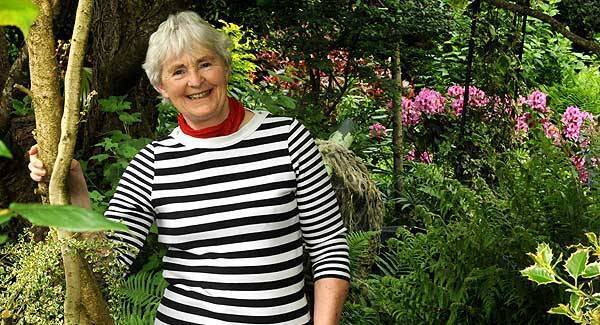
“My inspirational women are not well-known women,” says the West Cork author whose book describes the often — by today’s standards — incredibly hard-working wives and mothers who made it through tough times on struggling farms and in the villages and towns of 1940s, 1950s, and early ’60s Ireland.
“We Irish walk in the footprints of great women. Women who lived through hard times on farms, in villages towns and cities. They are often invisible in our history books.”
Ms Taylor, the bestselling author of To School Through The Fields, said many were “working mothers” in every sense of the word.
They ran the homes, shouldering the weight of cooking, baking, cleaning and sewing for what today would be considered enormous broods of children, and without modern conveniences such as washing machines or dishwashers — while at the same time running the farmyard.
“They looked after hens, geese, ducks, pigs, calves and helped with the milking at a time when there were no milking machines,” says Ms Taylor.
“They collected the eggs which traditionally accounted for a large proportion of the farm income, fattened the geese and the pigs for the Christmas market and reared calves for selling.
“It is sobering to remember that the grandmothers of today’s grandmothers were the first generation after the Great Famine.
“Those grandmothers were born into an Ireland still reeling from the hunger pangs of famine. Their habits were formed at a time of huge poverty and starvation.
“Some people didn’t get electricity ’til the 1960s so everything done in the house was done by manual labour.”
The book, which features a shot of an older woman dressed in a flowered pinny, or what Innishannon-based Ms Taylor says was known as the “Coatoverall”.
She examines the work of women such as The Nurse, who delivered babies at the family home and laid out the dead; The Chapel Women, who trained the altar boys, washed the linen, and organised funerals; The Nuns who ran the schools and hospitals; and The Travelling Women whose lives and living conditions were extremely difficult, emigrants and island women.
“These women were forgotten by history — their services were part and parcel of the community, so they were simply taken for granted.”