90% of seabirds have plastic in stomachs, say scientists
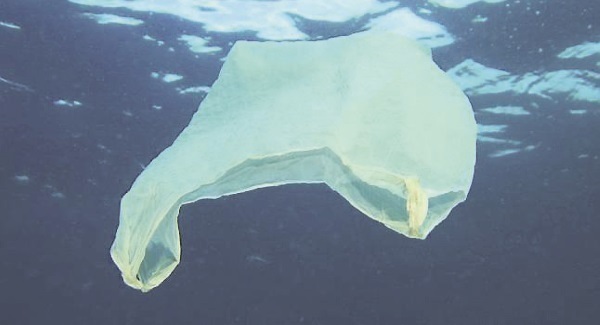
Previously, scientists figured about 29% of seabirds had swallowed plastic, based on older studies.
An Australian team of scientists which has studied birds and marine debris for decades used computer models to update those figures, calculating that far more seabirds are affected, according to a study published in the journal Proceedings of the National Academy of Sciences.
âFor the first time, we have a global prediction of how wide-reaching plastic impacts may be on marine species and the results are striking,â said Chris Wilcox, senior research scientist at Australiaâs Commonwealth Scientific and Industrial Research Organisation.
âWe predict, using historical observations, that 90% of individual seabirds have eaten plastic. This is a huge amount and really points to the ubiquity of plastic pollution.â
âItâs pretty astronomical,â said study co-author Denise Hardesty, senior research scientist at the Australian federal science agency.
She said the problem with plastics in the ocean is increasing as the world makes more of the stuff.
âIn the next 11 years we will make as much plastic as has been made since industrial plastic production began in the 1950s,â she said,
She combined computer simulations of locations of the rubbish and the birds, as well as their eating habits, to see where the worst problems are.
Hardestyâs work found the biggest problem strangely isnât where thereâs the most rubbish, such as the infamous rubbish patch in the central north Pacific Ocean.
Instead itâs where thereâs the greatest number of different species, especially in the southern hemisphere near Australia and New Zealand. Areas around North America and Europe are better off, she said.
By reducing plastic pellets, Europe is even seeing fewer of those plastic bits in one key bird, the northern fulmar, she said.
Some species of albatross and shearwaters seem to be the most prone to eating plastic pieces. Birds mistake plastic bits for fish eggs, so âthey think theyâre getting a proper meal but theyâre really getting a plastic meal,â Hardesty said.
Usually itâs incredibly tiny pieces of plastic, but Hardesty has seen far bigger things, such as an entire glow stick and three balloons in a single short-tailed shearwater bird.
âI have seen everything from cigarette lighters to bottle caps to model cars. Iâve found toys,â Hardesty said.
And itâs only likely to get worse. By 2050, 99% of seabirds will have plastic in them, Hardestyâs computer model forecast.
That prediction âseems astonishingly high, but probably not unrealisticâ, said American University environmental scientist Kiho Kim, who wasnât part of the study but praised it.