Inquests to be held in September as cause of couple’s death inconclusive
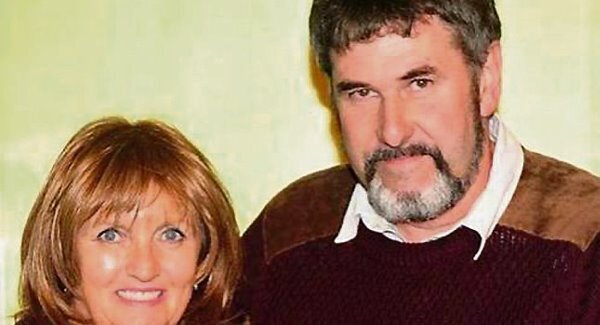
The bodies of serial fraudster Julia Holmes, aged 63 and Thomas Ruttle, aged 56, were discovered after a gang of burglars broke into Mr Ruttle’s house at Boolaglass, Askeaton, late on May 18.
Fearing they might be implicated in the deaths, the gang alerted gardaí.
Results of toxicology tests on the badly decomposed bodies have been finalised in recent days, but are inconclusive.
The bodies were found in an upstairs bedroom. A licensed gun owned by Mr Ruttle was discovered near the bodies but had not been discharged.
Gardaí suspected the couple had died from carbon monoxide poisoning or from an overdose, or a combination, some weeks before.
Notes written by both people were found in the house.
Coroner for West Limerick, Brendan Nix, is expected to hold an inquest in early September when Dr Marie Cassidy, the State pathologist, will be available to give evidence.
The inquest will be held in Newcastle West courthouse.
A legal source said it will be up to a jury at the coroner’s inquest to decide on the cause of death, based on the evidence given to the hearing.
The source said: “As the toxicology tests have been inconclusive, a jury could return an open verdict, without any given cause. If there is circumstantial evidence based on what was found at the scene, the coroner could advise a jury that they could give a cause of death. However, the cause cannot be ‘violent death’, as there was no evidence of violence at the scene.”
Ms Holmes had indicated that she wanted notes written by her before she died to be read out at an inquest.
The legal source said: “It would be up to the coroner to decide whether such notes should be read out, as it would depend on the contents.”
Mr Ruttle’s burial took place in the family plot at the Church of Ireland cemetery in Askeaton. Ms Holmes’ remains were cremated at Little Island crematorium in Cork after a friend of Mr Ruttle’s engaged an undertaker, when her family in Northern Ireland refused to have anything to do with her funeral arrangements.
After leaving the North over 30 years ago, Ms Holmes had engaged in a litany of major fraud in the US, Canada, and Australia. She was deported after serving a jail sentence in Texas.
She had used up to 40 aliases in her long history of fraud. Mr Ruttle was not aware of her criminal background when they met on the internet.
As well as working as a mechanic, he had beehives and Ms Holmes began to market honey from the farm as being organic. She began using honey bought in supermarkets and selling it under their own brand. It won a major food award.
She carried out a major refurbishment of the Ruttle home and builders were left with over €50,000 in unpaid bills. Mr Ruttle had been very bothered by the fact that people who had carried out work on his house had not been paid.
Ms Holmes falsely claimed she and Mr Ruttle had got married abroad and she organised a Church blessing of their marriage vows and a celebration afterwards in a pub in West Limerick.
At the time of her death, police in the North had a warrant out for her arrest arising from another fraud.
In the months before they died, she tried to sell the Ruttle home behind Mr Ruttle’s back, with the intention of going to Spain with the proceeds. When the sale fell through, she became increasingly desperate.
Ms Holmes changed her appearance by wearing wigs, claiming they were to conceal loss of hair due to chemotherapy for cancer.