Secondary students ‘should learn about mental health’
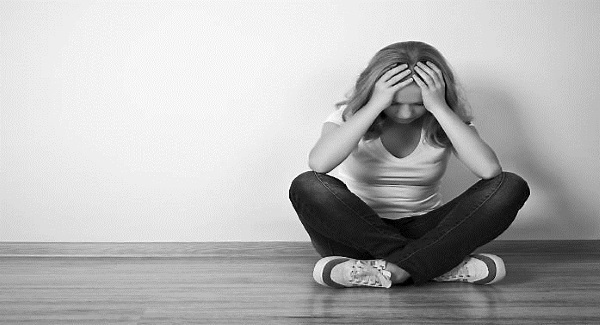
Almost 200 post-primary level students in Carlow and Wexford participated in the study, which posited different hypothetical situations in which the central teenage character had experienced a difficulty and was displaying certain symptoms such as insomnia and weight loss.
The 187 respondents were then asked a series of questions, including their level of concern for the characters in the vignettes and how long they believed it would take for the people to recover.
The study, Mental Health Literacy and Help — Giving Responses in Irish Adolescents, found that in some cases, there were differences in the answers given by teenage girls and teenage boys, with the former more likely to spot the signs of serious depression and mental illness and also more likely to advise the subjects of the stories to seek help, including from a trusted adult.
In two stories in particular — those of ‘Tony’ and ‘Emily’ — there were strong indications of mental health problems and depression.
According to the study: “Results indicated that participants showed more concern for the depressed vignette characters and felt that it would take longer for them to get better.
“Yet, a substantial proportion of the sample possessed insufficient knowledge to accurately label vignette characters as ‘depressed’.”
Just over half of the participants correctly labelled Emily as depressed and just under a third correctly labelled Tony as depressed.
“The fact that a significant proportion of participants were unable to identify depression in these hypothetical peers is of concern.”
The study said that while Social, Personal, and Health Education is compulsory, “detailed education on mental disorders is not provided” and the results of this study indicated its inclusion would be “advisable”.
The report was published in the Journal of Adolescent Research.
It was compiled by Sadhbh Byrne of the Children’s Research Centre in Trinity College Dublin, Lorraine Swords, and Elizabeth Nixon.

CONNECT WITH US TODAY



Be the first to know the latest news and updates