Insurer to appeal €1.25m award for ex-chief executive
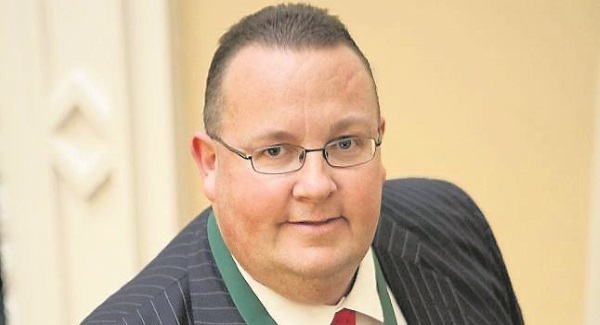
Mr Smith, who had been earning €620,000 a year, resigned from RSA in 2013 following revelations of discrepancies in accounts.
He sued for constructive dismissal, saying he was forced out and was made the “fall guy” after an increase in claims meant RSA’s reserving came in for scrutiny by the Central Bank.
Last month, the appeals tribunal ruled in favour of Mr Smith and awarded him €1.25m — the largest ever compensation award in Ireland for unfair dismissal.
The tribunal found the RSA’s dismissal was a “fact-finding exercise” to justify a predetermined decision.
However, the RSA said it “fundamentally disagrees” with the judgment and would seek redress through the courts.
In a statement, the company said it believes the tribunal failed to appreciate:
- The critical role of reserving for claims in an insurance company and the fundamental importance of setting accurate case reserves in accordance with the company’s legal and accounting responsibilities;
- RSA’s obligations as a regulated financial institution, including its duty to provide any information reasonably requested by the Central Bank of Ireland and to do so without delay;
- The fact that RSA Ireland is part of a publicly listed group and is required to immediately announce to its shareholders any material changes to the business or its performance.
RSA general counsel Derek Walsh said it was the view of the insurer that the tribunal had reached conclusions not supported by the evidence and which demonstrated a serious misunderstanding and a failure to grasp the key issues of the case.
“It did not recognise the enormity of its finding that Mr Smith was aware of the reserving practices within RSA Ireland which involved ‘a potential breach of Central Bank regulations’.
“We are astonished by the amount of the award made by the tribunal which RSA believes is utterly inconsistent with that crucial finding and creates a dangerous precedent.”
Mr Walsh said RSA had conducted an “appropriate investigation” into very serious issues and denies that the outcome was in any way predetermined.
“We also refute any suggestion that the evidence which emerged from numerous employees in Ireland concerning Mr Smith’s management style and behaviours was not given on a voluntary basis,” he said.
“We continue to believe that Mr Smith’s case is without merit and in the circumstances have no option but to appeal the judgment.”
CONNECT WITH US TODAY



Be the first to know the latest news and updates