Exam advice: Students should avoid spicy food and rest up
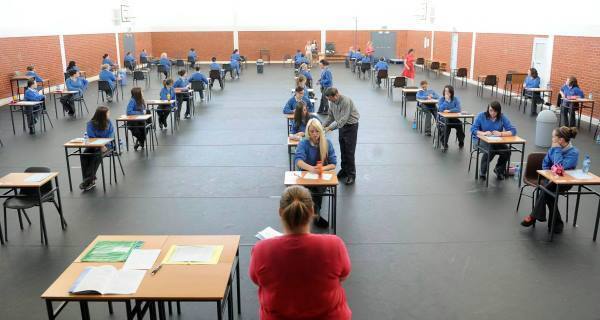
The stresses associated with sitting the Leaving Certificate were this week highlighted by an Economic and Social Research Institute (ESRI) study that showed girls are more likely to get stressed about the exams, and reduced sports activity and pressure from teachers can be added contributory factors to anxiety for sixth-year students.
Institute of Guidance Counsellors president Betty McLaughlin said that what matters from now until the exams begin is how students use their time effectively to do their best.
“To perform to your potential on the day, you must be in good physical and mental health, so plenty of sleep, exercise, and eating the proper food are essential,” she said.
The Irish Pharmacy Union said conditions such as asthma, sinusitis, and allergic reactions can be aggravated by stress so appropriate medications and inhalers should be used.
Pharmacist Bernard Duggan said eating small amounts regularly and avoiding junk and spicy foods could help avoid upset stomachs, which can often be caused by stress, as can diarrhoea, cold sores, and tension headaches.
The Leaving Certificate is expected to be taken by at least 57,000 students this year, while an increase is also likely on the 60,300 who took Junior Certificate exams in 2014.
The exams begin amid confidence of a resolution to the long-running industrial dispute between teacher unions and the Department of Education over junior cycle reforms.
A ballot is likely in September of 27,000 members of the Association of Secondary Teachers Ireland and Teachers’ Union of Ireland after the fine details of resources and other aspects of last week’s deal are discussed over the next month.
DISCOVER MORE CONTENT LIKE THIS
EXAM ADVICE
At least 30 minutes exercise each day — a brisk walk, swim, or short cycle — will help relieve clutter in the brain
Eating healthy food is essential for concnetration and sustained performance in exams.
Study plan counting down to exams should allocate time to revising each subject area, rotating the order of subjects each day
Start studying at a fixed time each day
Take short breaks, no longer than five minutes, between different subjects studied
Do not try to learn new material in the days before an exam; concentrate on revising topics already studied
On the night before exams, do a short revision for the next day’s paper, take a warm bath or shower, and get to bed early
Keep the fridge well stocked with healthy food, essential for concentration
Check in with your children preparing for exams at this stressful time, a little TLC goes a long way to relieve stress
Encourage exam students to take deep breaths to manage anxiety
Try and keep the home free of distractions, and the atmosphere as quiet as possible
Encourage students to give up evening or weekend work; time for relaxation is more important at this stage
If you are concerned about how a student is coping, contact your GP or school guidance counsellor.
DISCOVER MORE CONTENT LIKE THIS

CONNECT WITH US TODAY



Be the first to know the latest news and updates