Gardaí reject observer status in pay talks
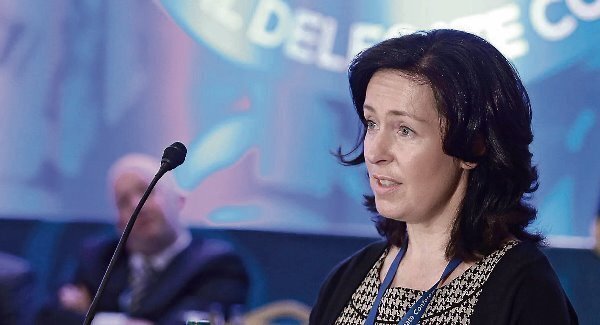
GRA general secretary PJ Stone said it was unacceptable the GRA had been invited to the talks purely as an observer.
He said the association was “prepared to do anything required” to recover the near 19% of wages lost by gardaí since the recession.

Mr Stone said gardaí “are going to stamp their feet” and he was absolutely confident the Government would relent and allow the GRA to participate in a negotiating role.
“Delegates will not accept anything less. Trust me, we will be participants,” he said, pointing out the European Court of Justice had proclaimed the GRA was entitled to represent its members in pay negotiations. “We will have to become a bigger nuisance and must get the pay back that was robbed from us.”
Mr Stone also said the GRA was not prepared to enter into any new productivity negotiations with the Department of Justice until members had recovered the wages they had lost.
He will also, today, be writing to Minister for Expenditure Brendan Howlin pointing out if the Government insists on restricting the GRA to an observer role at the pay talks, it will not be tied to any deals which ICTU may make.
GRA delegates yesterday described the Government offer of a 2% rise as derisory and insulting.
The general secretary said the GRA will also “take specific action” if gardaí are not exempted from new sickness rules applied to the public service.
The new regulations have decreased the number of paid sick leave days officers can take off.
The rules have been described as draconian by frontline gardaí who point out that, unlike other public servants, they risk life and limb on a daily basis and are regularly victims of assaults.
The GRA has reported gardaí are so fearful of losing pay and being unable to feed their families that they are reporting for duty while injured or sick.
Some have turned up for work on crutches and have been given desk jobs.
Mr Stone said it was also unacceptable new recruits into the Garda Training College in Templemore were not being given the customary rent allowance when they eventually go out to stations.
The rent allowance is worth €4,000 yearly. The vast majority of the recruits will be posted to stations around Dublin where GRA officials say it will be impossible for them to get accommodation with rents soaring in the capital.
Donal Flannery, a GRA central executive member who works at the Garda Training College, thanked delegates for their unanimous support that recruits have the rent allowance reinstated.
“It’s absolute gross exploitation. If it was happening in Third World countries we’d have the Minister for Foreign Affairs saying something about it,” he said.
The conference also heard that frontline gardaí were having to do more to offset the lack in recruitment in recent years which had left the strength of the force at 12,799 — below the critical figure of 13,000 which previous commissioner Martin Callinan said was the minimum number needed to provide effective policing.