25 passports issued to citizens who had changed gender
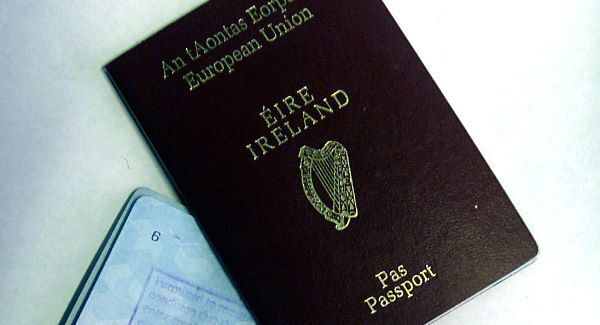
The Passport Service last year issued 25 passports to applicants who had changed their gender — seven more than in 2013.

25 passports issued to citizens who had changed gender

The significant increase was revealed as transgender groups still await the passing of the Gender Recognition Bill 2014 which would also allow them to change their sexual identity on their birth certificates.

According to the Department of Foreign Affairs, Section 11 of the Passport Act allows for a citizen ā€œwho has undergone, or is undergoing, treatment or procedures or both to alter the applicant’s sexual characteristics and physical appearance to those of the opposite sexā€ to apply to the Passport Service to have a passport issued to the applicant in their new name, and if appropriate, to have the new sex of the applicant entered on the passportā€.

ā€œThe applicant must provide medical evidence from a registered medical practitioner to confirm the medical treatment and in the case where a new name is being used, they must provide evidence of usage of the new name,ā€ Foreign Affairs Minister Charlie Flanagan explained in answer to a parliamentary question.

Gordon Grehan of Transgender Equality Network Ireland (TENI) said having official recognition of gender change was key to people and TENI would see the increase in people changing their gender on their passports as a very positive development.

He said a number of transgender people had encountered difficulties when travelling because they presented with a passport which did not match their gender. As a result, they were forced to answer ā€œintrusiveā€ questions.

Mr Grehan also said TENI was looking forward to the passing of the Gender Recognition Bill which, he said, would see people being able to change their gender on their birth certificates. He said that could be passed before the summer.

zzzIrishPassports_large.jpg[/timg

That is almost five years after the Government first acknowledged in 2010 that the law, as it stood, breached the human rights of transgender people and agreed they should be allowed to have their birth certificates altered to recognise their true gender. That, in turn, was eight years after the European Court of Human Rights, which is binding on all EU countries, gave a landmark ruling on the issue in 2002.

When the legislation was first published at the end of last year, TENI raised significant issues around the ā€œmedicalisationā€ of identities. It said the bill specifically required the primary treating medical practitioner to carry out a ā€œmedical evaluation of the applicantā€.

TENI said that was a diagnosis by any other name even though the trans person was best placed themselves to understand and identify their own gender as they lived it everyday.

Last month, the Government said that while an application for a new birth certificate would require a supporting statement by their primary doctor that the person had or was transitioning, they would not have to provide details of care.

Mr Grehan said people were now identifying as transgender earlier because of the greater visibility of transgender individuals and their willingness to speak about their identity.

DISCOVER MORE CONTENT LIKE THIS

x

More in this section

Lunchtime News

Newsletter

Keep up with stories of the day with our lunchtime news wrap and important breaking news alerts.

Cookie Policy Privacy Policy Brand Safety FAQ Help Contact Us Terms and Conditions

Ā© Examiner Echo Group Limited