House prices fall for first time in 10 months
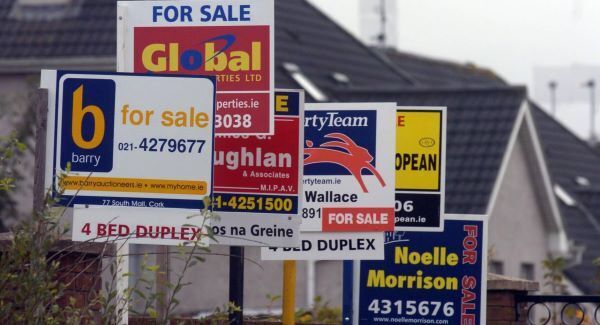
The latest figures from the Central Statistics Office reveal that in the month of January, residential property prices fell by 1.4% nationwide.
This is the largest fall in national prices observed in a single month since February 2012. Despite this fall, residential property prices remain up 15.5% over the last 12 months.
It follows a dip of 1% in the final three months of last year, recorded by the property website Daft.ie. That was the first time since mid-2013 that the average house price fell compared with the previous quarter. Prices fell nationally and in the capital, with Dublin prices slipping back by 0.7%, the first drop there since mid-2012.
The latest CSO figures show Dublin this time leading the way in the decline in values, with residential property prices there falling by 1.9% in January. Dublin house prices fell by 2.1% in January, although apartment prices increased by 0.9%.
This is the most significant monthly fall since January 2012. However, Dublin residential property prices are still 21.6% higher than 12 months ago.
Outside of Dublin, residential property prices fell by 0.9% in January, although prices are still up 9.3% compared with January 2014.
At national level, residential property prices are 38.5% lower than their peak level in 2007. Dublin house prices are 36.9% lower than their peak and Dublin apartment prices are 44.4% lower.
Outside of Dublin, residential property prices are 41.9% lower than their highest level in 2007.
The Central Bank last month introduced restrictions on mortgage lending to try to ensure price rises do not return to unsustainable levels.
However, despite the Central Bank’s efforts to normalise property transactions, another report just published shows the turnover of housing stock to be only half of what it should be in a healthy market.
Just 2% of Ireland’s total housing stock of 2m properties changed hands last year, but a 4% turnover is usual for a properly functioning market.
This compares with a 6% turnover in the UK — where demand is high and prices have been increasing as quickly as in Ireland.
Dublin experienced the greatest turnover in housing stock in 2014, with 13,588 transactions in the year (2.5%). Monaghan (1.2%) and Donegal and Tipperary (both 1.3%) had the lowest rates of housing turnover in the country for the period.
According to the first study of Irish housing stock by GeoDirectory, the geographical data division of An Post, the surprise result was that Cork had the highest amount of building under way.
“The market is still operating at a very low level of activity,” said Dara Keogh of GeoDirectory. The worst performing county in this respect is Longford and it also has the highest rate of mortgage arrears.
“There are now 3,371 projects in the pipeline nationwide, with the highest level of activity in Cork, followed by Donegal and Dublin.”
Cork had 12% of all buildings under construction in the country, while Donegal and Dublin (both 11.8%) were joint second.
Building activity remained depressed in Roscommon (0.8%) where only 29 buildings were under construction, as well as in Sligo and Longford where just over 40 buildings were under construction in each county.