Legal bid to cut cost of drugs
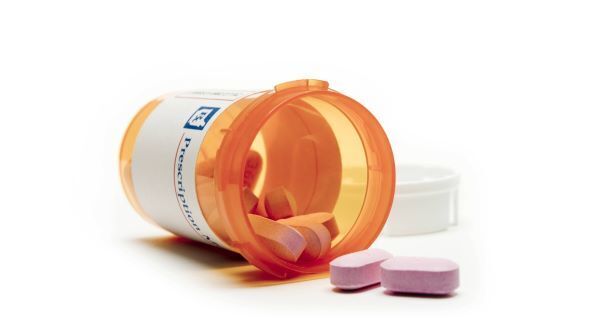
Health Minister Leo Varadkar’s officials confirmed last night the unprecedented move was on the table after a failure by big companies to cut the price of medicines.
Talks with drug companies have been underway since last year but have not produced results, Government sources say.

Significant price differentials exits between what the Irish state and other European nations pay for medicines to treat conditions, including arthritis, leukaemia and schizophrenia.
Mr Varadkar’s spokesman yesterday confirmed that existing legislation, the Health (Pricing and Supply of Medical Goods) Act 2013, could be used to force price cuts for medicines.
“The minister is determined that the State will have the funds to ensure patient access to effective new therapies. To do this, savings must be achieved in the existing cost of medicines. The minister is keen to do this in cooperation with the industry. Should this not prove possible then all alternatives, including the use of the provisions of existing legislation, will have to be considered,” he said.
An agreement between the Irish Pharmaceutical Healthcare Association and the state was signed in 2012 and included a mid-term review. However, no significant price cuts have been achieved, claim Government sources.
A report in yesterday’s Sunday Business Post outlined how Ireland continues to pay more for the same medicines than other European countries.
Government sources say the option of using legislation to force down prices is one of the few on the table and has not been tried and tested before.
“There are new treatments coming on all the time and we want to be able to afford new treatments. If resources are tied up in prices, it will limit options for patients,” said a source.
The Health Service Executive’s bill for medicines topped €2bn last year.
In a statement last night, the IPHA said:
“Ten separate price reductions have been provided by IPHA member companies in the past seven years. Between 2006 and 2012, €800m in savings was delivered, a further €400m is set to be delivered and possibly succeeded under the current supply agreement this year.
“As a direct result of these savings, the average cost per item reimbursed under the GMS [medical card scheme] is now running at 2001 and 2002 levels.”