Centrists urged to unite to block extremes
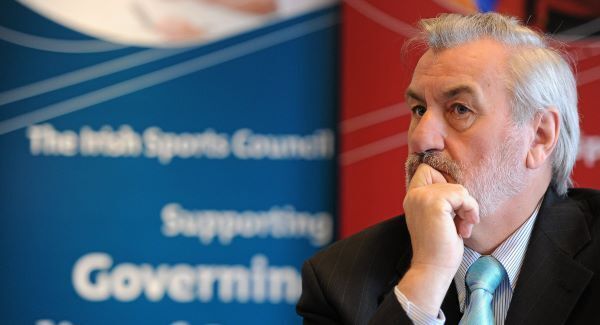
Kieran Mulvey said the country appeared to be entering a period of parliamentary uncertainty where potentially the balance of power after the next election might be held between “independent-minded groupings of the ultra-left and the hard right”.
“It is time for the forces of the centre to unite if we are to avoid a period where, having done all the heavy lifting in the ‘austerity period’, we arrive in a period of political instability or potentially a series of national elections in quick succession which could undermine our recovery,” Mr Mulvey said in a recent speech obtained and reproduced by Industrial Relations News.
“There potentially is coming a time when, sooner rather than later, the forces of the centre, may have to assert themselves in both the political and economic debate emerging currently within the country as to the vision of the society we want to create for the future.”
Mr Mulvey said where it did exist, that voice was being silenced in what he described an increasing vociferous debate which, he said, at times lacked objectivity.
“History has taught us that, after periods of austerity, economic recession and political uncertainty, the following historical cycle is usually a fertile revolutionary period for radical thought and action,” he said.
“Sometimes, however, those who talk the loudest for change rarely act to achieve it or their actions usually confirm the opposite sentiment to that which they have articulated or promised. I have a feeling that our current history will not disappoint us on the insight of this truism.”
In the course of his speech, Mr Mulvey posed a few questions in relation to how pay increases will be addressed in both the private and public sectors.
Mr Mulvey’s presentation came before this week’s indication from Finance Minister Michael Noonan that there could be some form of negotiation on pay rates and tax involving employers, unions, and the Government. Nonetheless, Mr Mulvey questioned whether private sector wage/pay settlements, which are currently aggregating at between 2%/3% per annum, would extend throughout the economy.
“What if such settlements drift towards 5% and upwards in the multinational sector?” he asked. “Will the unorganised non-exporting trading sector, i.e. the SME economy and its workforce, be left behind? Will we again have the divisive public/private sector pay divide debate and the old well-rehearsed arguments which seek only to divide workers and their unions?”
As one of the country’s foremost conciliation experts, the Labour Relations Commission chief executive also predicted that negotiations on pay and conditions in the public sector once the Haddington Road Agreement expires and FEMPI legislation begins to be repealed will likely take place this summer and that, “if sufficient preparatory work is undertaken by the principal players involved, then the negotiation process itself should not be too prolonged”.
“The commission remains as always available if required, to assist the parties in these negotiations,” said Mr Mulvey.

CONNECT WITH US TODAY



Be the first to know the latest news and updates