Ebola ‘no threat’ to Irish people
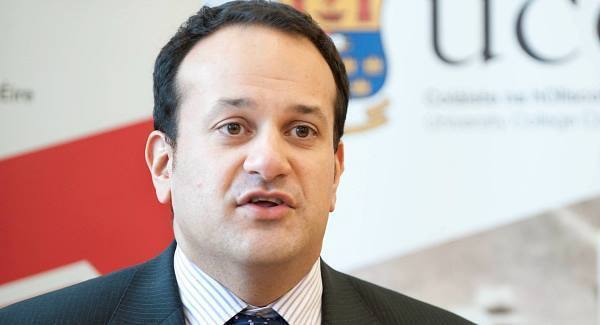
Health Minister Leo Varadkar moved to assure the public anyone involved in the incidents has not travelled to this country, amid heightened fears over the illness which has killed more than 7,500 people this year.
Speaking after a public health nurse returning to Glasgow from Sierra Leone was confirmed to be carrying the virus, and two other people in Scotland and Cornwall were also being checked, Mr Varadkar said the risk to Ireland remains low.
However, despite insisting there is no “immediate threat”, he said authorities are in “daily” contact with their counterparts in Britain as the issue could develop quickly.
“The [person who has been confirmed to have ebola] is a returned aid worker. Nobody has actually contracted ebola in Britain,” Mr Varadkar said.
“Contract tracing is underway but as far as we know at this stage there were no Irish people on the flights concerned or any people travelling on to Ireland on the flights concerned.
“So in that sense we don’t believe there is any immediate threat or any immediate danger here in Ireland, but we are of course in contact on a daily basis with the British and European authorities.”
The latest ebola warning in western Europe, which has previously been accused of not taking the ebola outbreak in west Africa seriously until it came to our shores, came as one confirmed and two suspected cases emerged in Britain yesterday.
Public health nurse Pauline Cafferkey, 39, is receiving specialist treatment at the Royal Free Hospital in north London after testing positive for ebola in Glasgow on Monday night.
The medic, who works at the Blantyre Health Centre in South Lanarkshire, had been helping ebola victims in Kerry Town, Sierra Leone, for the Save the Children charity and was part of a group sent by the British government.
She became unwell on her journey home on a British Airways plane travelling from Casablanca in Morocco to Heathrow, before reaching Glasgow airport.
Health authorities in Scotland had contacted 63 of the 70 people who also travelled on the flight by last night. When Ms Cafferkey raised concerns over her health, she was brought back to London within a quarantine tent on a “military-style” plane.
Two other people — from Aberdeen and Cornwall — were also being tested late last night. However, it is believed they are unlikely to test positive for the virus.
The alarms follow a number of other cases to have hit Spain, the US, Canada and Britain in recent weeks, many of which involved medics who returned home after helping to fight ebola in virus-hit nations.
Doctors have privately queried if medics working in these situations should be allowed to return home before it is confirmed they have no chance of infection, with some noting the journeys could help ebola to spread.
However, at an Oireachtas health committee meeting in October, Mr Varadkar said he could not “countenance” leaving medics or volunteers to fend for themselves abroad.