‘NGOs can’t become privatised arms of government’
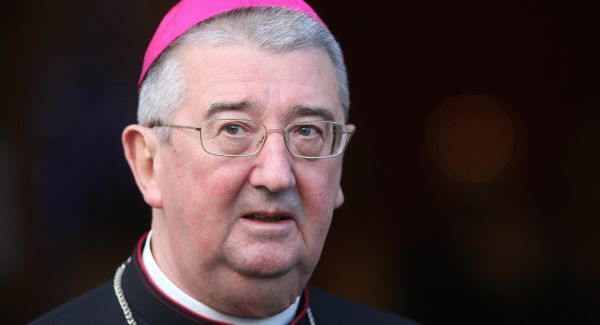
In a keynote address to the annual conference of the Irish Charities Tax Reform, the representative body for Irish charities, he said that while NGOs will see themselves as a more efficient deliverer of social programmes, governments may look on them as a cheaper way to deliver government-funded programmes.
“NGOs can unwittingly become simply the privatised arm of government; with governments outsourcing certain services through them,” he said.
He said the distinctions can be even more blurred when NGOs and charities draw most of their funding from government.
“Charities which are flavour-of-the-month will most likely attract more money from the business sector than some which may really need funding. The perennially valid warning about no free lunches should keep charities attentive to safeguarding their real mission when interacting with business. When governments are the sole supporters of any charity, then governments will inevitably want to manage them and the real sense of civil society will be undermined.”
He said many charities are de facto non-profit businesses that deliver a social good.
“Many charitable bodies find being a not-for-profit limited company is the most appropriate legal framework within which to fulfil civil legal requirements.
“You know well that when it comes to looking for a new director of a charity, the process of selection is very much the same process of open competition as for any job, looking at the business competence of the person, and not only at his or her religious motivation and personal commitment and idealism.
“Read the job offers in The Economist any week and you will see that the non-governmental sector offers some of the highest salaries. CEOs and directors of charities, however, carry huge responsibilities in the areas of financial management, human and employment relations commensurate with leaders in large businesses. Can charities become more like business and still maintain their identity? How do charities avoid cross-contamination?”
He said the welcome for the Charities Regulatory Authority was not just a PR exercise by charities but reflected a desire for a clear regulatory framework to foster transparency and ensure public confidence.
“I believe that this welcome by the charities sector signals a reaction not just of wanting to touch up the image of charities following recent negative criticisms and scandals. The fact that charities and civil society or indeed religious bodies are separate from government does not mean that they are exempt from control and reporting of their expenditure.”
He said the attitude of some clerics to the scandals of child sex abuse shocked him. “I was stunned to encounter what I came to call the ‘baking the cake culture’ — ‘I only put in the sugar and he only put in the flour, but neither of us have any responsibility for the cake because we were not there when it was put into the oven’. We are all responsible for the foreseeable consequences for our actions and for our omissions.”
CONNECT WITH US TODAY



Be the first to know the latest news and updates