Macauley: GAA stars don’t need to be concussed 'warriors’
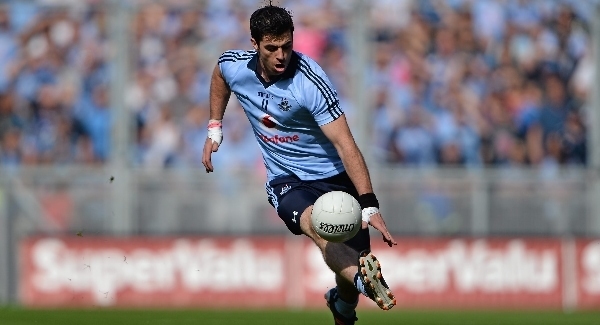
“Don’t leave the decision up to us — take us out of the game,” All-Star Michael Darragh Macauley told the Oireachtas Health Committee yesterday.
He believes the GAA should consider having a concussion substitute as well as a blood substitute after revealing Dublin player Rory O’Carroll stayed on the field in last year’s All-Ireland final against Mayo despite taking a heavy knock, as there were no substitutes left.
“Rory was in no state to play. He could have been on a beach in Spain. He would not know the difference,” said Macauley, adding that he had suffered a “fair share of concussions” at both club and county levels.
“I know at first hand what it feels like. You are no good to anyone being on the field when you are like that,” he said.
“We think that because we can’t see it [concussion], it will be grand and we will stay on the pitch even though we know inside that something is not right. This comes down to the warrior ethos within many sports, including the GAA. It should be more than acceptable and, in fact, admirable for a player to sit out after receiving a concussion.
“The coach or the management team must make the decision for the player to sit out. All any player wants to do is finish the game at the final whistle and preferably on the winning team.”
Macauley said the concussion test — the sport concussion assessment tool — should be used at every level of the game in the GAA, not just at county level.
He said O’Carroll played on in last year’s decider as there were “no substitutes left so he was not able to leave the pitch”.
Macauley has been an ambassador for Acquired Brain Injury Ireland for three years. The chief executive of that organisation, Barbara O’Connell, told the committee that less than 10% of concussions were actual knockouts.
“Poor knowledge of concussion recognition and management by players, coaches, parents, and even clinicians has played a large role in the mismanagement of concussion to date,” she said.
Experts have called for strict guidelines and education programmes on dealing with concussion in sport as a first step, rather than legislation that could, if necessary, be introduced at a later date.
Acquired Brain Injury Ireland will next month launch an app with clinical guidelines for dealing with concussion in sport.

CONNECT WITH US TODAY



Be the first to know the latest news and updates