50% of under-35s watch live TV on portable devices
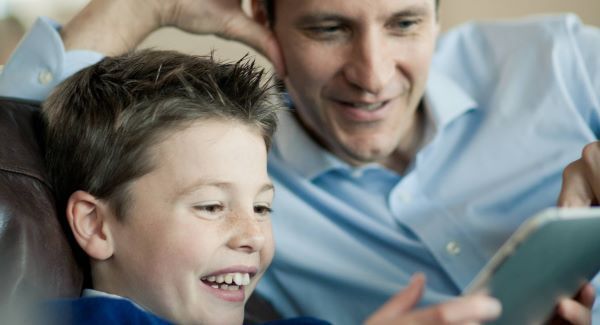
However, nine out of 10 Irish adults still watch TV on the box even though we have so many portable devices in our homes. And most of us like to catch our programmes live, according to the survey.
News, sport, and the weather are top of the list for a live audience, but “TV bingeing” is also on the rise, with 1.4m people watching hours of their favourite TV series back-to-back in a single sitting
Dubliners are by far the biggest TV bingers, with over half tuning in for a marathon viewing session compared to 36% outside the capital. Those watching programmes back-to-back opt for play-back or Netflix and internet downloads, with 19% choosing rented DVDs.
It is a universally acknowledged truth...#DoctorWho #ComingSoon pic.twitter.com/hRkdL0Jvfi
— Netflix UK & Ireland (@NetflixUK) September 28, 2014
The survey also found there has been significant growth in digital devices in the average home in the last year, with 85% of adults now having access to a potential online device that can be used “on the go” — up 5% on the previous year.
The smartphone topped the poll for the devices people felt they could not live without for a week, followed by the TV set, broadband, and the home computer.
Tablet ownership doubled in the last 12 months, with 1.8m adults expected to own a tablet by year’s end, while over 2m own a smartphone. A massive 1.9m are using online media, with half of us opting to do our shopping online. The social media platform Snapchat has seen its number of users grow, with 60% of 16- to 24-year-old category signing in to it.
Life-logging, where people constantly keep track of themselves and their friends, has also become more popular, with three out of five of those using devices to track progress or achieving goals admitting to getting a buzz from “rewarding notifications”.
The survey also found that two out of three people believe technological advances will enhance our lives in the future, with over half saying life would be better with a robot to help with household chores.
One in three would like to use a driverless car, but using a robot as a primary carer for the sick or the elderly was frowned on. More than 60% said they would use smart work centres if it cut down on commuting time.
Nearly three quarters of those surveyed would like to use their mobile phones to pay for goods and services.
Clinical psychologist David Coleman said the rise in TV bingeing is symptomatic of people’s busy lifestyles and their desire to choose what they want to see, how they want it and when they want it.
“Another interesting outcome of the survey is the phenomenon of life-logging or the ‘quantified self’ — as people become more and more keen to self-track their behaviours and activities through technology — mainly as a way of goal-setting and motivation,” said Dr Coleman.
“I think people measure themselves as part of their goal setting and to increase their motivation, but there is also the risk that when we measure ourselves frequently that we become solely focused on performance and outcomes.”
CONNECT WITH US TODAY



Be the first to know the latest news and updates