No record of numbers availing of bike scheme
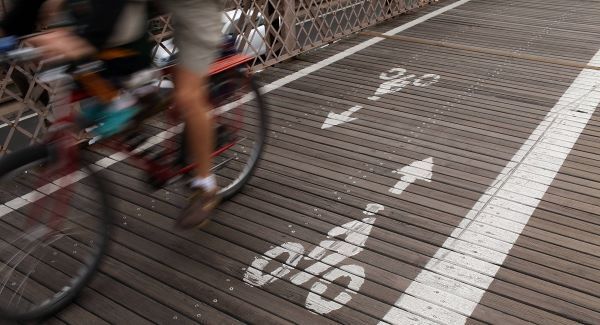
A spokesperson for Revenue confirmed that it has not kept records on the scheme, as figures released by energy agency Codema revealed that the number of bicycle journeys in Dublin rose by 82% during the five-year period from 2006, jumping from 10 million to 18 million journeys in 2011.
While a spokesperson for Codema highlighted the cycle-to-work scheme as a significant factor in the rise in bicycle journeys in Dublin, Revenue says it does not keep track of how many people avail of the scheme.
“We don’t have statistics on the uptake of the scheme. There is no notification procedure for employers to indicate to the Revenue Commissioners that they are operating the cycle-to-work scheme.
“The scheme was designed like that, to keep it as simple as possible and to reduce administration on the part of employers,” a spokesperson for Revenue said.
First introduced in January 2009, the cycle to work scheme allows employers to buy bicycles and bicycle equipment for their employees, who in turn pay their boss back through wage deductions over 12 months.
The scheme acts as a tax incentive as the employee is not liable for tax, PRSI, levies or the Universal Social Charge on their repayments.
While employees can only avail of the scheme once every five years, Revenue says that the onus is on employers to ensure that the self-assessed scheme is administered correctly and that they are subject to random audits to ensure compliance.
“Participating employers do not have to notify the Revenue Commissioners of their involvement in this scheme, but must have a signed salary sacrifice agreement from employees, stating that the bicycle is for their own use and will be used for travelling to and from work.
“The onus is on employers to maintain appropriate records,” the spokesperson said.
The Dublin City Sustainable Energy Action Plan report states that number of cycling journeys in Dublin increased from 2.2% to 3.9% of total passenger journeys.
A government-backed National Cycle Policy Framework has set a national target for 10% of all trips to be made by bicycle by 2020.
Codema’s Strategic Sustainable Energy Planner and author of the report, Donna Gartland, said that the findings showed passengers moving away from public transport and towards more independent modes of travel such as driving, walking and cycling.
“The increase in people walking and cycling in the city meant that 12% of all passenger kilometres travelled used no fuel whatsoever and created zero carbon emissions.
“However, the number of private car journeys is still a problem area and we need to do all we can to discourage their use within the city,” she said.