Burton pledges incentives for return to work and an end to tax hikes
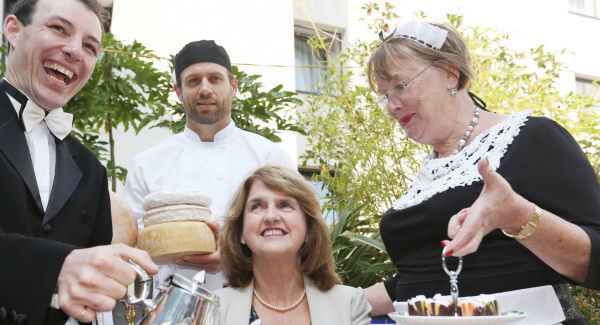
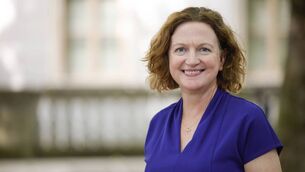
The Tánaiste yesterday also outlined plans for an “incentive package” in the Budget to encourage people to return to the workplace.
However, a senior Labour minister also warned that money could not continuously be shovelled into the budget for Health.

Labour parliamentary party members were concluding their two-day pre-Dáil conference in Wexford where they discussed the budget, party policies and future election strategies.
Upcoming legislation and referenda, including the vote on same-sex marriage, were also discussed by TDs and senators.
Ms Burton indicated that there would be no further stealth charges or significant spending cuts introduced in next month’s budget.
“There is room for some relief on a relatively small scale, but it does mean that the era of tax increases and expenditure cuts that have been so difficult for people... we’re coming to the end of that particular historic era. We want to make sure that relief is targeted at people on middle and low incomes.”
But the Social Protection Minister said there was a need to incentivise people to get back to work, move into self-employment, create businesses, or come off the live register. This included a back-to-work dividend which will reward parents who go into employment and who will be allowed keep part of their welfare payments. If implemented, parents could retain up to €30 a week in welfare payments when they return to work.
Up to €280m is being spent this year on family income supplements to incentivise people to return to work, Ms Burton added.
Encouraging men, who previously had worked in the construction sector, to return to work was a priority, she stressed.
“I think we can put together an incentive package that will do a lot to help families to move from welfare to work.”
Public Expenditure Minister Brendan Howlin said he had been engaged in discussions in recent weeks to shape “affordable” spending plans for next year for each department.
But he also signalled that the Coalition may disagree on how much of a budget supplement will be given to health. The Department of Health has signalled that it will need an additional €500m next year to fill spending gaps.
Taoiseach Enda Kenny has admitted that a supplement “of very significant proportions” is needed for health next year.
Mr Howlin said yesterday that every department had submitted plans for a 5% reduction in their expenditure for next year. But some were reluctant to factor in savings into their plans, he signalled.
“The expectation of recovery had been in the air and departments bid higher than was expected.”
Spending in health would need to be reined in, he warned.
“Normal inflationary issues are not replicated in health services. New technologies and expensive technologies, there’s an expectation they are deployed immediately. And health inflation is very significant.
“But we can only pay for what we can afford.
“We can’t continue to shovel evermore into one sector at the expense of everyone else. Balance has to be struck. Discussions between himself [the Taoiseach] and Health Minister Leo Varadkar were ultimately ironed out at Cabinet as every minister wanted an input into expenditure, he explained.
Despite hopes for some tax relief for workers in the Budget, there would still be financial demands in education as well as for social welfare payments, he added.