Retailers responsible for integrity of their food

The comments follow the findings of a British investigation into the January 2013 horse meat scandal.
The British government-commissioned report, issued yesterday, called for the formation of a food crime prevention network which would involve unannounced audits and a zero-tolerance approach to protect consumers from any more incidents like the horse meat scandal.
The issue began to unfold in January last year when it emerged that frozen burgers supplied to several supermarkets contained horse DNA.
Investigations found other beef products sold by retailers, including lasagne and spaghetti bolognese, were contaminated.
“The role of the department is to verify compliance by FBOs with this requirement, and significant resources are devoted to this task,” a spokesperson for the Irish Department of Agriculture said in response to the report.
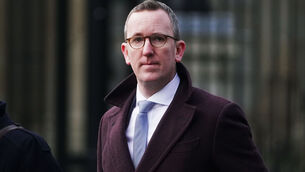
Professor Chris Elliott, author of the UK report, said that the buying policies, particularly within some of the larger retailers, were “a matter of concern”.
“The review cautions against procurement of goods for less than the recognised reasonable price, based on market knowledge,” he said.
“This is neither good for the sustainability of UK farming nor the integrity of the food industry and ultimately impacts negatively on consumers.”
Prof Elliott also issued a stern warning that it was the responsibility of retailers to provide evidence that they had checked the background of any products bought for well below the recognised market price.
“In such a case, it is for the retailer to be able to produce evidence that it checked that there were no grounds for suspicion of the product being counterfeit or adulterated, because in such a case the counterfeit or adulterated goods would amount to criminal property,” he said.
Britain’s environment secretary Elizabeth Truss said the government accepted all of the report’s recommendations.
“We’re taking action to make sure that families can have absolute confidence in the food that they buy. When a shopper picks something up from a supermarket shelf, it should be exactly what it says on the label, and we’ll crack down on food fraudsters trying to con British consumers.
“The action we’re taking gives more power to consumers — meaning they’ve got better labelling on food, better education about where their food comes from, and better, locally sourced food in schools and hospitals,” she said.
The Irish Department of Agriculture said it was as a result of the vigilance of its testing and control regime that the scandal was exposed.
A spokesperson said: “Key controls carried out by this department, under its contract with the Food Safety Authority, are being supplemented by a growing focus on food authenticity.”
CONNECT WITH US TODAY



Be the first to know the latest news and updates