Report highlights economic impact of child sex abuse
A disturbing new report shows for the first time the lifelong impact of child sexual abuse from an economic perspective — finding that both work opportunities and income levels of victims were seriously damaged.
The report from the Economic and Social Research Institute (ESRI) found women were badly affected too and were twice as likely to be out of work due to sickness or disability in middle age (50-64) if they had been sexually abused as a child.
But the findings were most stark for men as they were filtered to remove any influence that age, level of educational attainment, depression or anxiety might have on the results.
Once these factors were stripped out, men who suffered child sexual abuse were twice as likely as other men to be living alone, and they lived in households where the income was one-third lower than the average.
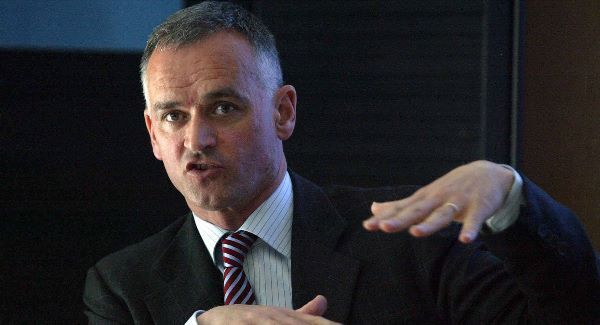
Report author Professor Alan Barrett said the findings threw up challenges for policymakers who may believe, for example, that treating depression in an adult victim will counter their childhood ordeal.
“Somebody could say, well of course someone who has suffered child sexual abuse is less likely to be in the labour market because we know already that they tend to suffer greater levels of depression and greater levels of anxiety. But we find that even when we control for depression and anxiety, we are still getting an effect. We find child sexual abuse to be having an effect above and beyond the depression and anxiety. As an economist, I can’t speculate too much about that. It could be a matter of confidence, it could be issues around trust or it could be something else. There seems to be a complicated set of factors at work.”
The report used information from the 8,500 people who took part in the pioneering Trinity College-led TILDA study which is examining the lives of Ireland’s over-50s.
Some 5.6% of men and 6.7% of women disclosed they had suffered child sexual abuse and 17% of those men and 14% of the women were out of the labour force because they were sick or disabled.
Even where the level of educational attainment was equal to other men, male survivors had incomes that were 34% below the national average.
Professor Barrett said that finding could prove useful to courts and other bodies trying to assess compensation for loss of work opportunities and earnings.
“Obviously there are other effects that have to be compensated for too, but at least there may now be some sort of quantification that can feed into the analysis of the financial effects.”
A more detailed paper on the subject is to be published soon in the Journal of Behavioural and Experimental Economics which Professor Barrett said he hoped would help develop understanding of the lifelong impact of child sexual abuse.
“We find significant impacts even though we are looking at people aged between 50 and 64 who experienced abuse over 30 years earlier.”
CONNECT WITH US TODAY



Be the first to know the latest news and updates