Sellafield ordered to improve plant safety
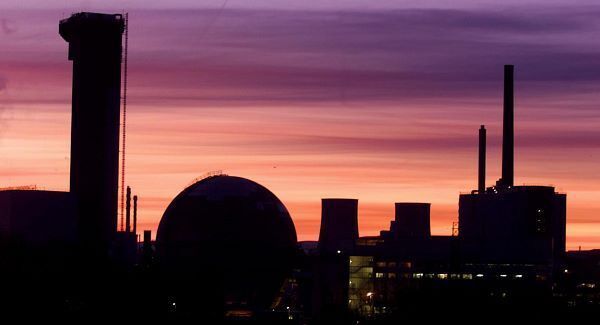
Nuclear watchdogs in Britain have ordered the Sellafield plant to improve waste containment and fire safety after inspectors found breaches at the site.

Sellafield ordered to improve plant safety

They have also made risk reduction at Sellafield their top priority, warning that many of the facilities were outdated and there was a need to improve the safety culture at the sprawling complex, which lies just 160km from the Irish coast.

The first annual report of the British Office for Nuclear Regulation (ONR), an independent statutory body since last April, states: “We have identified regulation of Sellafield as our number one regulatory priority.”

It says: “Given the age and fragility of many of the facilities on site, it is a national priority to reduce the hazard and risk on site in a safe and timely manner.”

While it stresses it is not calling the plant unsafe, it says: “Some of the older facilities at Sellafield do not meet modern engineering standards and their safety cases therefore cannot demonstrate the high standards required for nuclear facilities”.

It reports “ongoing delays in risk and hazard reduction” at the site and expresses dissatisfaction with management’s handling of the issues, saying there is a need for “fit for purpose solutions to resolve issues rather than those that are complex or over-engineered”.

It suggests work practices may be a problem, stating: “We will also examine the incentives as well as the potential obstructions to determine whether Sellafield staff are empowered to move to new ways of working.”

It recently issued improvement and enforcement notices following a power failure and radioactive contamination in the facility where radioactive waste is turned into glass, and also after a new building was found to lack proper fire escapes.

Tony Lowes of Friends of the Irish Environment, which has taken a complaint to the United Nations about Britain’s lack of consultation with Ireland about its nuclear activities, said the ONR report strengthened their case.

An Taisce recently lost a challenge in the British courts to force the government there to honour the UN ESPOO Convention on transboundary environmental impact assessment but FIE has a hearing before the UN on the same issue in Geneva next month.

“Basically what was said in An Taisce’s case was that it wasn’t a transboundary issue because there was no issue because everything was so well run. This report seems to run counter to that,” Mr Lowes said.

The ONR has published its five-year strategy for 2015-2020 and has opened a public consultation on the document to which Mr Lowes urged people to make submissions.

Anyone wanting to comment can read the strategy and other documents on www.onr.org.uk and can email their response to kathy.donnelly@onr.gsi.gov.uk by October 6.

“We need to stress the need for transboundary consultation because if there is an accident at a nuclear site in Britain, it will have transboundary effects. It will affect us. So we welcome the opportunity to comment and hope that people who have the expertise and who have concerns would raise them. The more consultation and the wider the consultation the more likely it is that an accident can be prevented.”

More in this section

Lunchtime News

Newsletter

Keep up with stories of the day with our lunchtime news wrap and important breaking news alerts.

Cookie Policy Privacy Policy Brand Safety FAQ Help Contact Us Terms and Conditions

© Examiner Echo Group Limited