Bailey denied disclosure of internal DPP memo
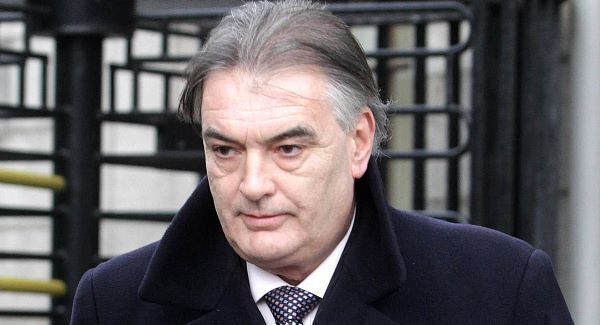
Mr Justice John Hedigan said Mr Bailey was not prejudiced by the court’s decision and stated he considered the position of the DPP on the matter correct.
The disclosure of the memo of March 1998 by “a professional officer”, the DPP had argued would be contrary to the public interest and it claimed privilege over the document.
The memo was sought by Mr Bailey’s legal team as part of the final preparation for his case against the State for damages as a result of his arrest during the Garda investigation into the 1996 murder in West Cork of French film-maker Sophie Toscan du Plantier.
Mr Bailey has always denied any involvement in the murder and has sued the State and gardaí for damages arising from his arrest.
His civil action before a High Court judge and jury is likely to take place next November. His partner, Jules Thomas, has also sued for damages arising from her arrest during the murder investigation.
Yesterday, counsel for the DPP Sunniva McDonagh SC said the DPP was claiming privilege over the memo, which was an internal memo. She said it was vital that officers in the DPP’s office were able to compile a file and set out an opinion or view. Officers, she said, need to be free to set down what they want on paper and should not be deterred from doing it with a view that it could be disclosed at a later stage.
Counsel for Mr Bailey, Ronan Munro BL, said it could not be contended that the document was not pivotal, as every small detail can illuminate part of a case and documents such as this can prove invaluable. He said the memo could be released to his side on confidential terms, but it was vital to have sight of it.
Mr Justice Hedigan said he had read the papers on the matter and did not agree with Mr Bailey’s side that it was the lowest level of privilege sought and it was a very different situation to the ordinary civil servant.

CONNECT WITH US TODAY



Be the first to know the latest news and updates