Technology contributing to sleep deprivation epidemic
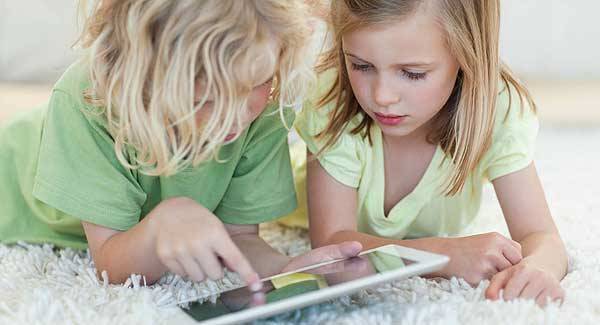
Smartphones, computers, and tablets are contributing to an epidemic of sleep deprivation, research shows.

Technology contributing to sleep deprivation epidemic

A survey indicates that more than 28m people in the UK — almost six in 10 — are regularly getting no more than seven hours sleep a night.

It also shows that 78% of Britons are exposed to sleep-disruptive blue light from computer devices before going to bed.

Among 18- to 24-year-olds included in the 2,149 adults questioned, this figure rose to an astonishing 91%.

“The blue light from these devices suppresses the production of the sleep-inducing hormone melatonin, so it’s important to avoid them before bed time,” said psychologist Richard Wiseman, who commissioned the YouGov poll.

The amount of sleep we need varies but adults generally require a minimum of seven to eight hours a night. Teenagers need around nine hours.

The proportion of people thought to be getting too little sleep had increased by a fifth since a “bedroom poll” conducted last year by the National Sleep Foundation.

“This is a huge rise, and the results are extremely worrying because getting less than seven hours sleep a night is below the recommended guidelines, and is associated with a range of problems, including an increased risk of weight gain, heart attacks, diabetes and cancer,” Prof Wiseman, from the University of Hertfordshire, said.

Participants in the study were asked if they used a computer, tablet, or smart phone in the two hours before going to bed.

The results were timed to coincide with publication of Prof Wiseman’s book Night School. He has compiled 10 science-based tips to help people get a better night’s sleep:

- Avoid using computers, smartphones or tablets in the two hours before bed. The blue light stimulates the brain and keeps you awake;

- Make a list of all of the things you have to do the next day or that are playing on your mind;

- If you are struggling to sleep, make your brain tired by thinking of an animal for each letter of the alphabet;

- You will feel most relaxed when your bed faces the door and is far from it;

- Eat a banana before bed. Rich in carbohydrates, they help relax your body and brain;

- Actively trying to stay awake actually makes you feel tired, so try keeping your eyes open and focus on not falling asleep;

- Wear socks if you have bad circulation to avoid your feet getting cold and causing sleeplessness;

- Avoid nightcaps: Alcohol can disturb sleep;

- Ensure the same piece of soporific music is playing each time you fall asleep;

- If you lie awake for more than 20 minutes, get up and do something non-stimulating like a jigsaw.

More in this section

Lunchtime News

Newsletter

Keep up with stories of the day with our lunchtime news wrap and important breaking news alerts.

Cookie Policy Privacy Policy Brand Safety FAQ Help Contact Us Terms and Conditions

© Examiner Echo Group Limited