Insolvency service admits slow start of four write-downs
The Insolvency Service of Ireland has admitted it is off to a slow start after it secured just four mortgage write-downs for hopelessly overburdened debtors in its first seven months in operation.

Insolvency service admits slow start of four write-downs

However, the service defended its performance, saying the number of new cases coming in was growing all the time and that it expected to have thousands of people on its books by this time next year.

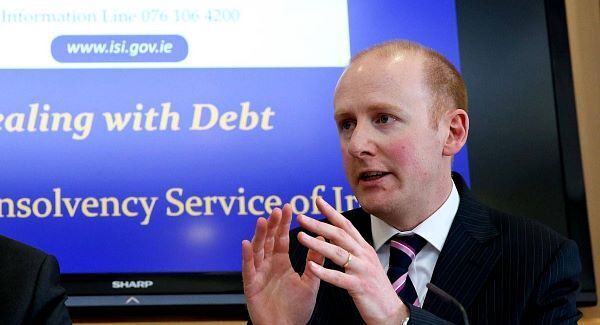
ISI director Lorcan O’Connor also said the setting up of the service had prompted informal debt arrangements between financial institutions and defaulting customers they would otherwise refuse to have engaged with.

“We are having a major impact, both directly and indirectly,” said Mr O’Connor. “We have acted as an important catalyst. Our presence is contributing to breaking a stalemate between creditors and people in debt which has been going on for years.

“Since last autumn, debtors are able to go into banks and say, ‘Do a deal, a reasonable deal, or else I will go to the Insolvency Service’. Without that threat, those negotiations this time last year weren’t getting anywhere.”

The ISI was set up to provide alternatives to bankruptcy for people with a range of debts they have no likelihood of clearing. However, it primarily offered hope for homeowners seriously in default with their mortgages that a substantial portion of the debt would be written off.

Under a personal insolvency arrangement, one of three solutions the ISI offers, defaulters could hope to either stay in their home on a manageable mortgage or walk away from the property without the negative equity portion of the debt hanging over them for life.

The majority of the 523 applications made to the ISI since it opened last September have been for personal insolvency arrangements but the service’s first statistical report published yesterday shows that, of the 320 such applications, just four have been approved by the courts.

In those cases, the average write-down of the mortgage debt was 19% but the other debts owed by the people involved were on average 93% written off, which automatically improved their prospects of paying the reduced mortgage.

A total of 82 applications were for debt relief notices — used to write off non-mortgage debts of up to €20,000 — and they were the most successful with 36 of them approved by the courts so far.

A further 121 applications were for debt settlement arrangements — for larger non-mortgage debts — and seven of those have been approved to date with an average write-off of 77%.

Vincent Martin of New Beginning, which negotiates debt settlements for people in serious mortgage distress, said much more was needed to be done to demystify and destigmatise the insolvency process.

However, Mr Martin said it was beginning to have an impact by prompting banks to negotiate with distressed customers. “I think already the banks are smelling the coffee,” he said.

In tandem with the establishment of the ISI, a new bankruptcy regime was introduced which reduced the period of bankruptcy from 12 years to three.

The ISI’s report shows there were 66 bankruptcies in the first three months of this year, compared to 58 recorded in all 12 months of 2013.

ISI applicant demographics

You are most likely to apply to the Insolvency Service of Ireland for help with unpayable debts if you are male, married and aged 35-44 with a job in the private sector and a mortgage you can’t pay.

Unfortunately, you’re also least likely to have had success as the statistics compiled by the ISI show just four of the 320 applications relating to mortgage debt have so far resulted in settlements that have been approved by the courts.

Home mortgages make up the biggest single type of debt carried by applicants to the ISI. Of the €193m in total debts it is currently sorting through, 45%, or €87m, relates to home loans.

The rest is made up mainly of other loans (€69m) and trade creditors (€15m). Credit union debt comes to €4.5m and liabilities to the Revenue Commissioners account for €3.6m.

While the statistics show the majority of applicants to be in a particular demographic, they also reveal that debt is affecting people across all sectors of society.

One in 50 of those who have applied for debt relief are aged over 65 and one in 100 have already got themselves into serious financial trouble by the age of 24.

While unemployment has undoubtedly left many people with unpayable debts, they make up just 23% of applicants to the ISI. Public sector workers make up 14% and private sector employees 42%.

The self-employed make up 8%, stay-at-home spouses 8%, retired people 25%, and students 1%. Two thirds of applicants are married or in a civil partnership, 21% are single, 12% are divorced or separated, and 1% are widowed.

While the overall numbers of applicants are small so far — just 523 in total — new cases were coming in at a rate of 50 per week in recent weeks and activity on the ISI’s website suggests many more will follow as their information leaflets have been downloaded 1,000 times a week.

More in this section

Lunchtime News

Newsletter

Get a lunch briefing straight to your inbox at noon daily. Also be the first to know with our occasional Breaking News emails.

Cookie Policy Privacy Policy Brand Safety FAQ Help Contact Us Terms and Conditions

© Examiner Echo Group Limited