Parents ‘trust’ teachers to mark exams
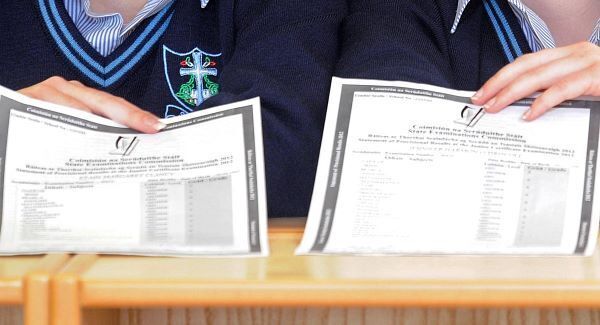
The proposal that teachers should assess their own students is one of the main grounds of opposition of unions to Education Minister Ruairi Quinn’s junior cycle reform plans.
The Association of Secondary Teachers Ireland and Teachers’ Union of Ireland will end all co-operation with planning and delivery of the Junior Cycle Student Award from next Monday.
They have expressed concern parents might place schools and staff under pressure to give students higher grades, or that teachers would face undue criticisms if a student did not get the result families wanted or expected.
But National Parents’ Council-Post Primary chief executive Jim Moore said he does not believe that will happen.
“Just look at last year’s chief inspector’s report — parents mostly have a very positive view of teachers. So this notion they are going to be attacked at every street corner is completely out of hand,” he said.
“We have a lot of cases where teachers inform parents that a student hasn’t got the result they [the teachers] would have expected. Parents rely on teachers for informed opinion on performance of their children.”
The replacement of external assessment in the Junior Certificate with entirely school-based marking of the JCSA was the main difference between Mr Quinn’s plans unveiled in October 2012 and the advice to him a year earlier from the National Council for Curriculum and Assessment.
But while parents may trust the ability and fairness of teachers marking their students, Mr Moore said they need more information about the planned reforms.
“It’s moved into a different arena now the teachers unions have balloted for industrial action, that’s unhelpful. But there are concerns as well, so those implementing it need to be very clear where this detailed process will go and parents would have to be brought up to date.
“[These reforms] didn’t arrive overnight, we’re talking about this over the last three years. There’s been a lot of difficulties about it but it’s an ongoing development, and information needs to be given out to parents, as well as to teachers, as to how it’s being rolled out.”
Mr Quinn has told teachers their concerns can be addressed at a working group set up to consider issues of training, resources and assessment. But, he says, the assessment issue is decided and teachers need to follow the timeframe, already extended to take account of their concerns.
English is the first subject in which a new curriculum is being introduced, starting with first-year classes in September.