Climate change means ‘bleak future’ for food security
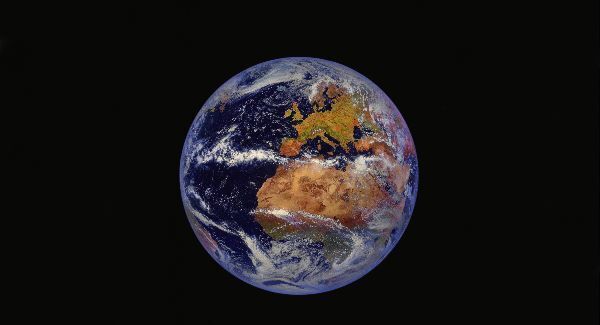
Climate change is already here, the report says, but people in low-lying coastal areas face greater storm surges, flooding and rising sea levels.
It warns homes, businesses, water treatment and power plants across Europe will be at much greater risk of rainstorms, river flooding, and more severe heat waves.
With extreme weather damaging crops and animal habitats, the resulting pressure on food supplies will lead to increased migration of affected populations, cause economic losses, exacerbate poverty, and increase risks of violent conflict.
The world’s leading scientists, who wrote the Intergovernmental Panel on Climate Change’s fifth report, are urging governments to act immediately to reduce carbon pollution and cut the economic damage of climate change by half.
UCC Professor of Physical Geography and technical consultant at Beaufort Research Laboratory Robert Devoy said the latest report vividly illustrates “our vulnerability”.
“This is a warning and in the context of events over the last two months, it emphasises the seriousness of a future world,” he said. “We live in a profligate way and there are lots of problems with how we live, where we live, how we create energy. Now is the time to translate reports and science into practical decisions about how we live our lives... but there will be an economic cost to that”
Eamonn Meehan, executive director of development agency Trocaire, said a global average temperature rise of four degrees celsius could make normal activities like growing food or working outdoors impossible in many regions.
“Every day, Trocaire witnesses the impacts on people’s lives of the delay in acting to solve the climate crisis. In 30 years, crop yields will have decreased by 22% across sub-Saharan Africa,” said Mr Meehan.
Responding to Trocaire, a spokesman for the Department of the Environment said the climate change bill is due to be published before Easter.
“Sectoral plans looking at how local authorities, industry, the domestic and agricultural sectors can reduce their carbon emissions are being drafted at present,” said the spokes-man. “The final bill will not contain targets but will be an overarching piece of legislation looking at how we will achieve our EU and international targets.”

CONNECT WITH US TODAY



Be the first to know the latest news and updates