Benefit cut in UK will hit Irish families
But the European Commission has warned London they cannot interfere with the rights of those from other EU countries working in Britain.
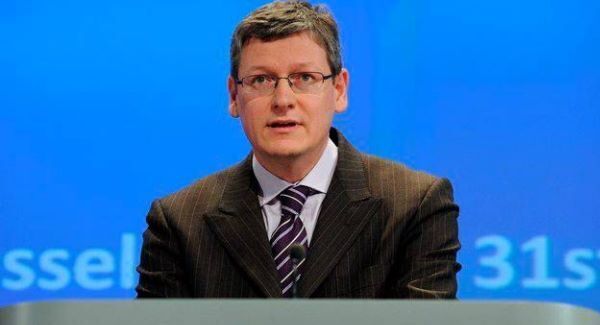
Employment Commissioner Laszlo Andor warned the Tory government against being “over-emotional” and misguided and suggested their motives had more to do with the promised referendum on EU membership than reality.
There is national outcry over €66m a year being paid in child benefit for about 40,000 children whose parents work in Britain but live in another EU country.
The biggest number — 25,600 — live in Poland while the second largest group claiming are Irish, with 1,281 claiming for 2,609 children in 2012.
Last year, Ireland shelved plans to deprive workers from other EU countries — mainly Poland — from claiming what amounted to €15.4m for 7,741 children not living in the state. Child benefit in Ireland is €130 a month while in Britain it is €96 pm for the first child and €64 for others, while in Poland it is up to €21.60 a month.
Workers paying their tax and social security payments are entitled to whatever benefits are given by the state, irrespective of their nationality under the EU’s social security regulation. “The more workers from other EU countries a country has, the more solvent its welfare system is,” Mr Andor said. “Otherwise the non-national work would be subsidising local citizens,” a commission spokesperson said.
Last year Britain adopted new rules saying unemployed workers cannot claim benefits for their first three months in the country. However, under EU rules, people are eligible to collect unemployment benefits from their home country for the first three to six months after moving to another EU country.
The commission has just produced a guide to who was eligible for what and which was endorsed by all member states.
Launching the guide, Mr Andor said that the right to free movement around the EU was a cornerstone of the union and much appreciated by citizens.
The rules and the criteria had all been agreed and would need every country to agree to change them. Mobile workers tend not to take jobs away from host country workers as they go to where there are skills gaps and labour shortages, he said.
Ireland is one of the few member states where other EU workers receive comparatively more than they pay when compared with local workers, but the same study found that non-EU workers were far less likely to get jobs than nationals.
CONNECT WITH US TODAY



Be the first to know the latest news and updates