Similarities in women’s deaths shock family
The information was published in an extensive investigation into the death of Ms Halappanavar by the Health Information Quality Authority (Hiqa).
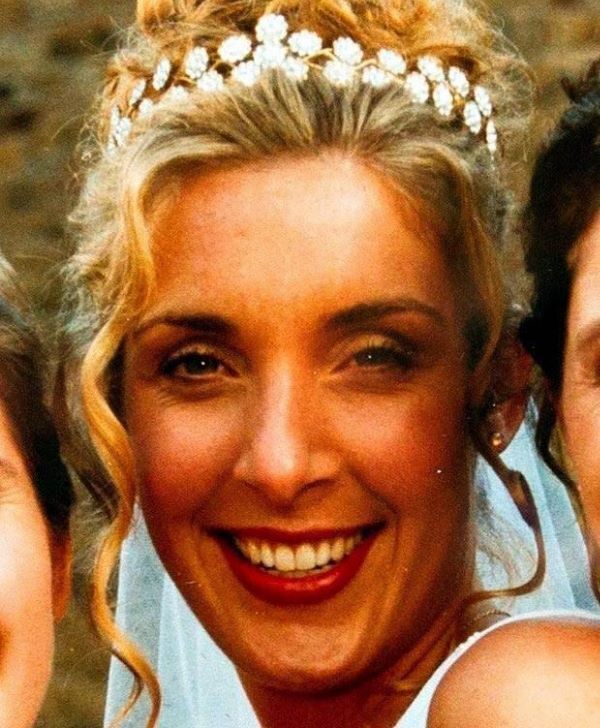
Mc McCabe, 34, was six months pregnant when she was admitted to Our Lady of Lourdes Hospital in Drogheda in March 2007.
Her waters had broken prematurely, but she was diagnosed with a kidney infection and discharged.
She was readmitted to the hospital less than 24 hours later and gave birth to twin boys, Zach and Adam, by caesarean section.
However, Zach had severe congenital abnormalities and did not survive.
Ms McCabe subsequently went into septic shock and also passed away.
The investigation into her death led to a recommendation for how Irish hospitals should change to prevent similar situations from happening. However, yesterday’s Hiqa report said that, six years on, most maternity hospitals were not able to report on how they implemented those recommendations.
Of the 19 public maternity units contacted by Hiqa as part of the investigation, only five provided detailed status updates on the 27 recommendations detailed in the report on Ms McCabe’s death.
They were Mullingar; the Midland Regional Hospital; Coombe Women’s and Children’s Hospital; the Rotunda; Our Lady of Lourdes Drogheda; and the Mid-Western Regional Maternity Hospital.
Of the remaining 14, six reported their status against a different investigation or gave no comment. A number of the six reported that evidence for implementation was not in existence.
Ms McCabe’s father-in-law, Philip McCabe, spoke to Miriam O’Callaghan on The John Murray Show yesterday and said he could not believe the recommendations from Ms McCabe’s inquest were not being followed in all hospitals.
He said: “I’m just sorry on this occasion that what was recommended from Drogheda didn’t extend to other hospitals. The team in Drogheda did such a perfect job, they were so thorough and they absolutely hit the nail on the head every time with all the recommendations.
“To think that this very good report was produced for Tania, and then it didn’t become a norm throughout all hospitals... We would have assumed what had happened to Tania wouldn’t happen again if it was at all possible.”